As an Amazon Associate, we earn from qualifying purchases. Some links on this site are affiliate links at no extra cost to you. Our recommendations are based on thorough research and editorial judgment.


What Is DIY RC Repair?

DIY RC repair is our chance to fix and improve our remote-controlled vehicles ourselves. We can tackle common issues like battery problems, motor failures, and servo glitches. By using basic diagnostic techniques, such as circuit board inspections and voltage testing, we can uncover what’s wrong. Stocking essential tools like precision screwdrivers and soldering irons makes repairs easier. Plus, with preventive maintenance practices, we extend our models’ lifespans. Stick around, and you’ll discover more tips and techniques!
Key Takeaways
- DIY RC repair involves troubleshooting and fixing common issues in remote-controlled vehicles to enhance performance and extend their lifespan.
- It requires essential tools like screwdrivers, soldering iron, and multimeters for effective repairs and maintenance.
- Basic diagnostic techniques include inspecting circuits, checking motor functionality, and testing individual components for faults.
- Preventive maintenance practices help minimize repairs by regularly cleaning, lubricating, and inspecting RC vehicles.
- Repair techniques can range from simple battery checks to complicated motor calibrations, ensuring optimal operation.
Understanding Common RC Vehicle Problems
You may be interested
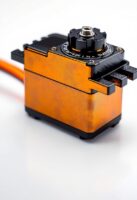


When it comes to RC vehicles, understanding common problems can save us a lot of frustration and improve our racing experience. First, we often face battery issues, like old or poorly charged batteries that lead to reduced power and runtime. Then, there are motor failures, including overheating or stripped gears that affect performance. We also deal with servo problems, where binding gears can make steering unresponsive. In addition, electronic malfunctions, such as signal loss or ESC issues, can leave us feeling powerless during a race. Finally, mechanical wear, like loose bolts or tired suspension systems, affects our vehicle handling and stability. By recognizing these problems, we can enjoy a more reliable and enjoyable race with our RC vehicles! Additionally, ensuring proper maintenance and lubrication can significantly extend the life of drivetrain components and prevent common issues from arising.
Basic Diagnostic Techniques for Effective Repairs
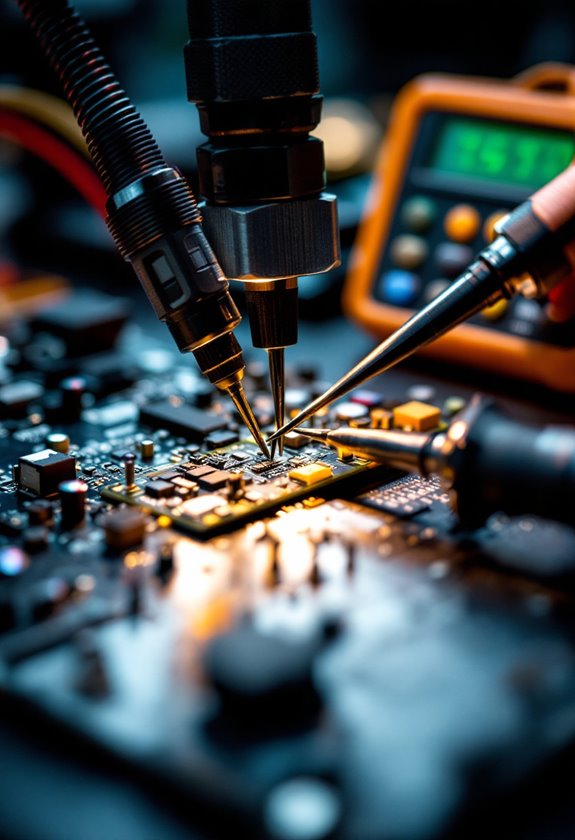
To tackle any RC vehicle repair effectively, we need a solid plan for diagnosing issues. First, we’ll conduct a thorough circuit board inspection. This means checking for burnt-out components and ensuring all solder joints are intact. Loose wires or disconnections can lead to frustrating problems, so we must check those too.
Next, we’ll use electrical continuity testing. By systematically verifying connections, we can isolate faulty parts easily. We should test each component individually while following proper startup sequences for the transmitter and receiver. Finally, let’s evaluate motor and speed controller functionality to identify any operational issues. With these fundamental diagnostic techniques in place, we’re well-equipped to pinpoint problems and make effective repairs. Additionally, having a comprehensive RC repair kit can significantly streamline the repair process. Happy fixing!
Recommended Products

Soldering iron with digital display for many applications and uses– portable and handy, must-have soldering iron kit, just plug and use, with most necessary tools for soldering projects, home do-it-yourself DIY fixing jobs, electrical, electronics and household appliance repairs, electronic and circuit board works computers, crafts/headdress making, circuit board welding, for home DIY hobbyist in crafts and jewelry making and many more uses. Affordable gift for all occasions.

Kits Contains:

Soldering tools kit includes 6 double-sided soldering assist tool and 2 precision Tweezers, More flexible and convenient when using in different projects.
Essential Repair Tools and Materials Needed
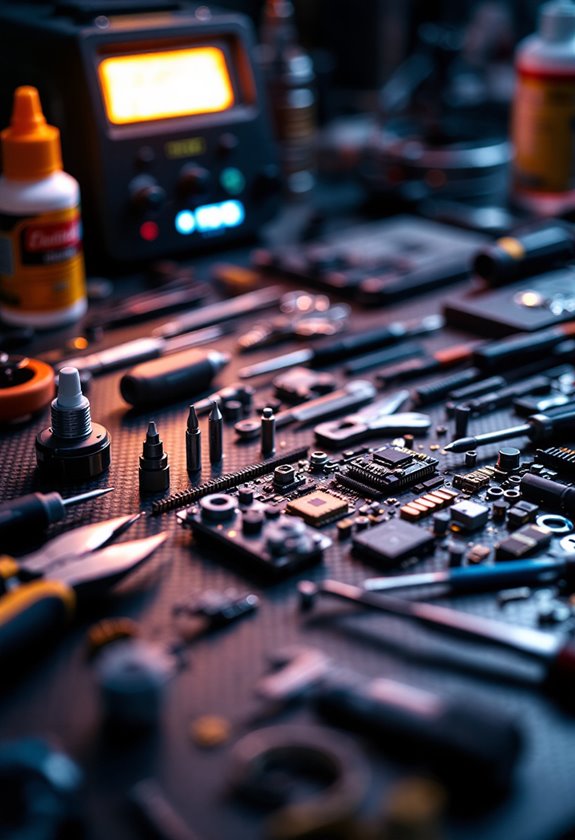
Having the right tools and materials can make all the difference in your RC repair journey. We recommend starting with essential specialized tools like precision screwdrivers, hex drivers, and needle-nose pliers for handling small components. Don’t forget a hobby knife and sprue cutters for precise trimming and part removal.
For precision measurements, digital calipers and a steel ruler are indispensable. A soldering iron with temperature control is vital for electrical repairs, while a rotary tool can help with modifications. Additionally, consider investing in a quality RC tool kit, which encompasses a variety of screwdrivers and additional tools for versatile use.
When it comes to repair materials, stock up on thread-locking compound, electrical tape, and various adhesives. Cleaning solutions and shock oil are also key for maintenance. With these tools and materials, you’ll be well-equipped for your DIY RC repairs!
Recommended Products

【High Efficiency and Safety】The soldering iron has an on/off key for energy saving and safe soldering, it is a 110V 60W adjustable temperature electric soldering iron, which heats up faster. Six air vents extend the life of the soldering iron and effectively prevent the soldering iron from overheating.

【Upgrade Technology】The soldering iron is upgraded 80W High Power, and can make the soldering iron quickly heat up within 20 seconds; This soldering iron can accurately adjust the temperature and a flexible temperature range of 180℃-480℃/ 356°F-896°F.

【Professional Function Design】This 60w 110v pencil-type soldering iron features adjustable temperatures(392 ℉-842 ℉/200-450 ℃) and thermostatic setting. In addition, our soldering iron with ON/OFF Switch, which is easy to save energy and ensure safe welding.
Component-Specific Repair Methods Explained
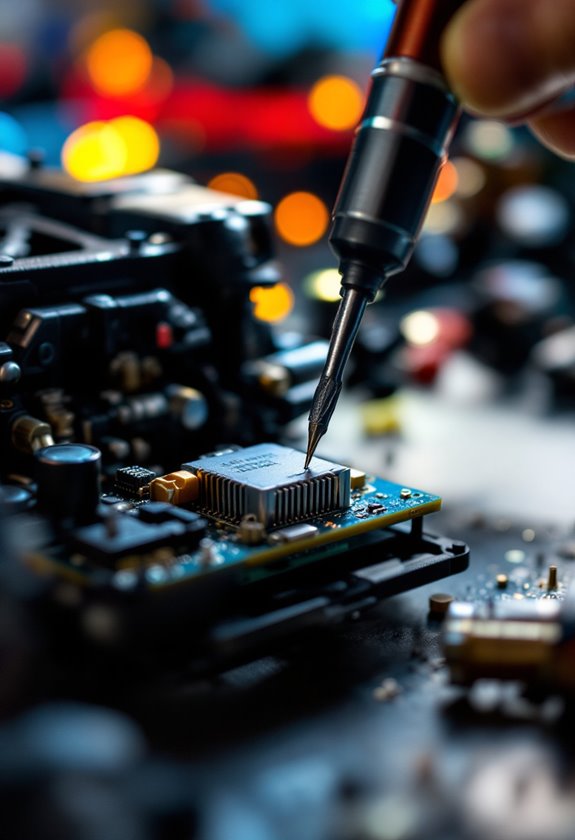
Repairing specific components of your RC vehicle can be a rewarding hands-on experience, especially when you know what to look for and how to tackle each issue. For controller issues, we should start by verifying battery power and inspecting antenna integrity for damage. If communication falters, we’ll execute transmitter-receiver binding.
When it comes to the motors, motor calibration is essential. We must recalibrate the ESC if the throttle response feels off. Testing the motor with a digital multimeter helps us gauge its health, while replacing worn bearings can restore performance. Additionally, ensuring compatibility with brushless ESC specifications is vital for optimal operation.
With practice, these straightforward techniques will make our DIY repairs both effective and enjoyable, letting us get back to the thrills of RC driving in no time!
Recommended Products
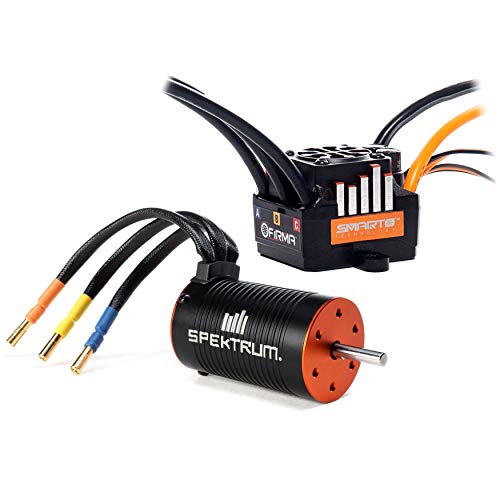
Spektrum Firma 85A Brushless Smart Esc / 3300Kv Sensorless Motor Combo, Spmxsemc01

Motor and ESC Combo: Easy completion item for RC Drag Racers
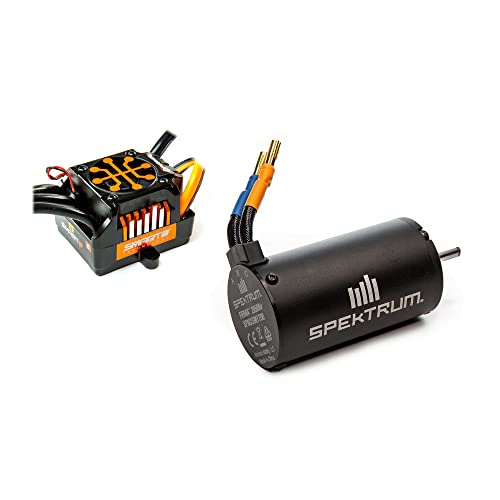
Smart all-in-one telemetry
Preventive Maintenance Practices for Longevity
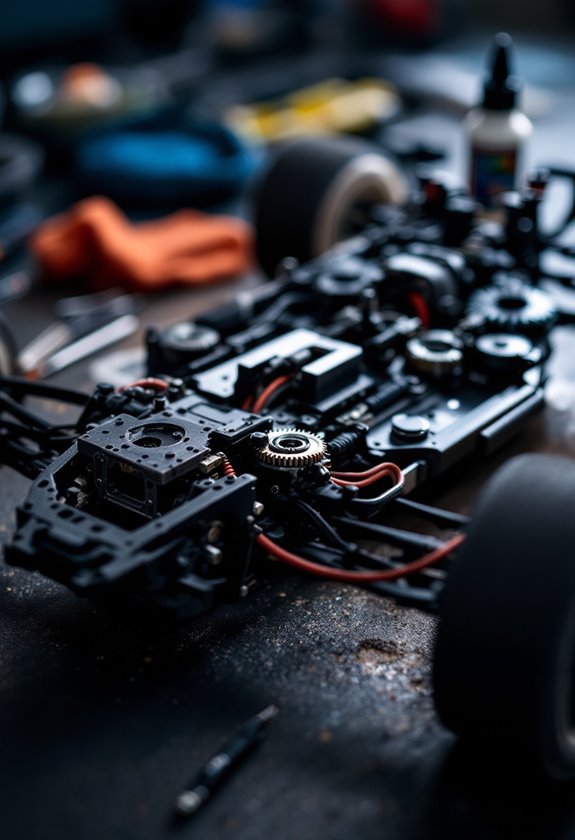
When we think about keeping our RC vehicles in top shape, preventive maintenance is our best friend. First, let’s talk about preventive cleaning. After each run, we should clean our cars to remove dirt and debris. Using a brush and compressed air is key here! Next, proper lubrication techniques are vital. Applying tiny drops of silicone-based oil on plastic parts and oil-based on metal guarantees smooth movement without overdoing it. Remember, we want to reduce friction, not attract dirt. Checking battery care is also essential, making sure we don’t overcharge. Regularly inspecting our electronics with cotton swabs keeps everything in working order too. Additionally, ensuring that you have proper RC shock boots installed can protect your shocks from dirt and moisture, enhancing overall vehicle durability. By integrating these practices, we’ll extend the longevity of our beloved RC vehicles!
Cost-Effective Repair Strategies for DIY Enthusiasts
After maintaining our RC vehicles with diligent preventive measures, it’s time to tackle repairs without breaking the bank. For budget-friendly repairs, we can utilize E6000 adhesive or Shoe Goo for strong bonds on lexan bodies. Pair them with drywall mesh tape, which we can find for under $5, to create reinforced areas that can withstand tough runs. During repairs, a dual-layer method with the mesh tape and adhesive gives us extra durability. For quick fixes, gorilla tape works wonders to keep us racing. By incorporating common household items, like popsicle sticks for spreading adhesive, we can save money while ensuring our vehicles are ready for action. Additionally, understanding battery care tips can help extend the lifespan of your RC vehicle, ensuring that repairs and maintenance are always effective.
Recommended Products

E6000 PLUS offers virtually the same performance characteristics you love about E6000 but with Low odor
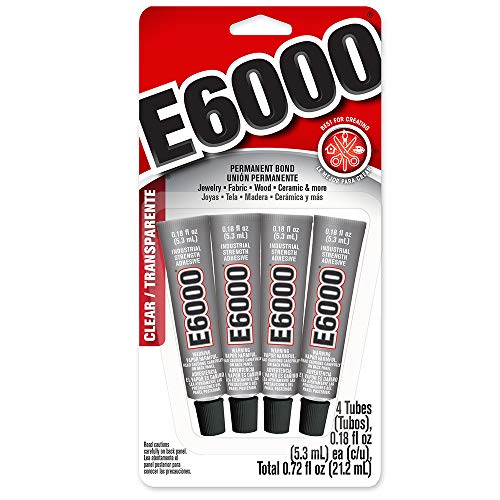
This Cement Does Not Dry Instantly -- You Have At Least 5 Minutes To Make Adjustments Before The Glue Starts To Set. For Maximum Strength Bond, Allow 24-72 Hours For Complete Curing

E6000 Premium forms permanent bonds to the most difficult items such as most plastics used in 3D printing, polycarbonate, PVC, ABS, acrylics, polystyrene and fiberglass
Tips for Successful Self-Diagnosis and Repair
To successfully diagnose and repair our RC vehicles, we need to approach the process with an organized mindset and a bit of patience. First, let’s check our battery connections; sometimes, a weak or disconnected battery can be the main culprit for motor failure. We should verify the charge level and make sure the connectors are tight and clean. Next, multimeter use comes into play. By setting it to resistance mode, we can check for circuit continuity, ensuring that all components, from the battery to the motor, are functioning properly. Remember to inspect the ESC and receiver connections thoroughly as they often cause issues. With methodical checks, we’ll be back on the track in no time!
Recommended Products
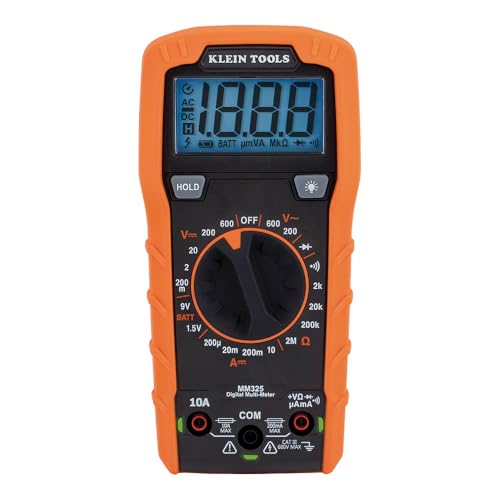
VERSATILE FUNCTIONALITY: Measures AC/DC voltage up to 600V, 10A DC current, 2MΩ resistance; additional features include continuity, diode test and battery test
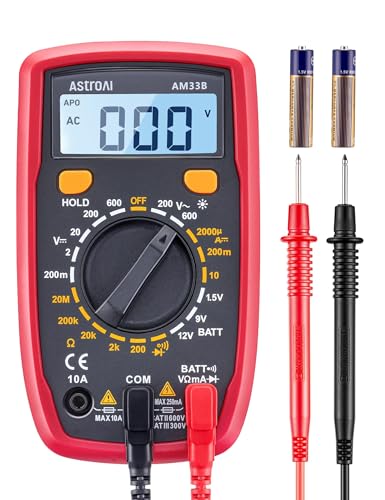
Versatile Digital Multimeter - Accurately measures AC/DC Voltage, DC Current, Resistance, and Diode. This Multimeter is a really useful tool for solving industrial and household electrical issues. Suitable for Household Outlets, Fuses, Batteries (including Vehicles), Automotive Circuit Troubleshooting, Charging Systems, Testing electronics in Cars etc.

CAT III 600V Safety Rating: Ensuring your safety when working on electrical systems in common residential and commercial settings
What Basic Skills Do I Need for DIY RC Repair?
When we tackle DIY RC repair, it’s a breeze if we have soldering techniques and solid tool knowledge. Mastering these skills guarantees we’re ready to troubleshoot and enhance our vehicles effectively, keeping them in top shape.
Are There Online Resources for Troubleshooting RC Vehicles?
Yes, there are plenty of online resources for troubleshooting RC vehicles. We’ve found helpful video tutorials and active troubleshooting forums where we can share experiences, get advice, and learn effective repair techniques together.
How Often Should I Perform Maintenance on My RC Vehicle?
We should perform maintenance on our RC vehicle after every session and establish a routine check at least weekly. Sticking to a consistent maintenance schedule helps keep our vehicles running smoothly and extends their lifespan.
What Are Common Signs Indicating My RC Vehicle Needs Repairs?
When we notice suspension issues, like unusual sounds or wear, or when battery problems arise with rapid drains, it’s time to give our RC vehicle some love and attention to get it back on track.
Can I Modify My RC Vehicle for Better Performance?
Yes, we can definitely modify our RC vehicles for better performance. By implementing performance upgrades and handling tweaks, we’ll enhance speed, stability, and overall control, making our driving experience even more thrilling and enjoyable.