


When we choose a carrying case, we should start by understanding size and weight specifications. Look for bags that fit within 22 x 14 x 9 inches and weigh no more than 8 kg. Next, evaluate the material—polycarbonate shells offer great durability, while lightweight options like polypropylene enhance transport. Don’t forget about padding to protect fragile items! We also need to reflect on features like security locks and compartments for organization. Stick with us to uncover even more tips and tricks!
Key Takeaways
- Consider the dimensions of your carry-on bags to ensure they comply with airline regulations and fit your belongings snugly.
- Select a material that balances durability and weight; polycarbonate and aluminum are excellent options for strength and impact resistance.
- Evaluate padding and protection levels to safeguard fragile items, ensuring foam thickness aligns with the item’s fragility.
- Look for security features, like reliable lock mechanisms and RFID protection, to secure your belongings during travel.
- Choose a design with multiple compartments and portability features like wheels or straps for easier transport and organization.
Understanding Size and Weight Specifications
When we’re packing for a trip, understanding size and weight specifications for our carrying cases is vital to avoid surprises at the airport. To comply with carry-on regulations, we need to know that most airlines allow bags measuring 22 x 14 x 9 inches. They typically measure our bags upright, so it’s important to guarantee our handle isn’t extended during this measurement. Also, let’s keep in mind the weight limits, which often reach up to 8 kg for international flights. Remember that linear dimensions combine length, width, and height. By being aware of these baggage dimensions ahead of time, we can confidently navigate the airport and stow our bags without any hassle! Additionally, understanding the weight limit for RC car haulers can help ensure that we don’t exceed the capacity while transporting our equipment. Happy travels!
Evaluating Material and Construction Quality
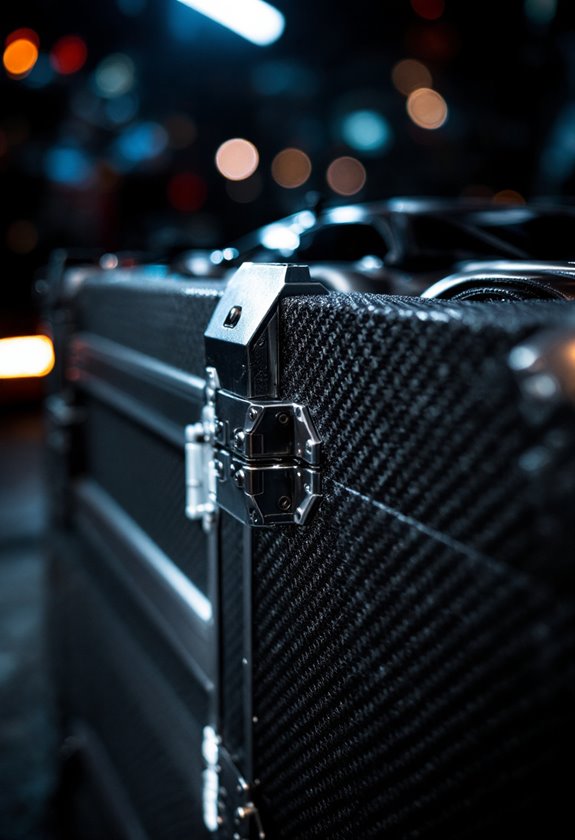
Having clarified the dimensions and weight of our bags, we can now turn our attention to the materials and construction quality of the carrying cases available on the market. When we consider material resilience, aluminum leads in toughness, bending under pressure instead of cracking. Polycarbonate is also impressive with its high-impact resistance, making it a popular choice. For construction techniques, injection molding allows for cost-effective options with flexible sizes, while rotational molding greatly enhances durability through thicker walls. If we want a lightweight option, polypropylene stands out, although ABS offers good scratch resistance at an affordable price. Each material and technique has its advantages, so picking the right one depends on our unique traveling needs! Additionally, many bags are constructed from heavy-duty materials like nylon and waterproof oxford cloth, ensuring they are resistant to wear and tear.
Assessing Protection and Padding Requirements
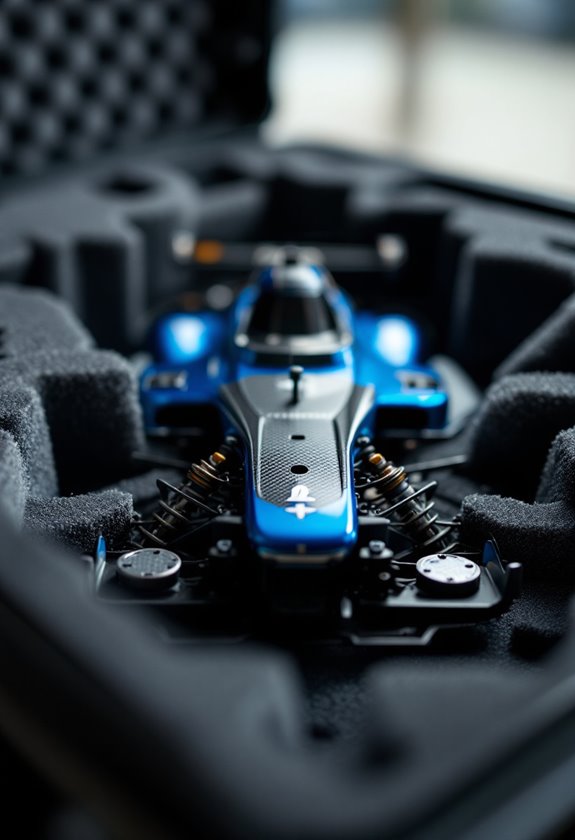
Evaluating protection and padding requirements is essential for guaranteeing our belongings withstand the rigors of travel. When selecting a carrying case, we should consider various padding types and their impact resistance. For instance, EVA foam is great for protecting electronics, while polyethylene foam offers impressive cushion for heavier items. We’ve got to guarantee that the padding thickness and density align with our items’ fragility.
Moreover, hard cases, reinforced at corners, provide structural integrity that protects against shocks during handling. When shopping, let’s check if the case complies with standards like MIL-STD-810 and ATA certifications. These guidelines give us confidence that our case can endure drops, guaranteeing our valuables arrive safely at their destination! Additionally, looking for features like waterproof components can enhance the case’s ability to protect against various environmental conditions.
Considering Environmental and Usage Conditions
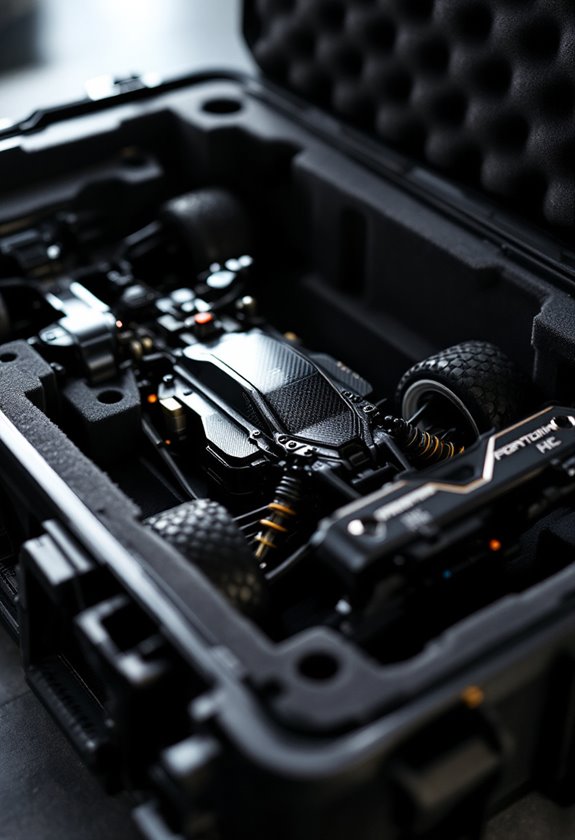
Considering the unique challenges posed by environmental and usage conditions, it’s vital to select a carrying case that can withstand various elements while protecting our belongings. When we think about material performance, we should consider options like durable aluminum or high-density polyethylene. These materials resist corrosion and damage from impacts and moisture. If we’re facing extreme temperatures or humidity, choosing UV-resistant or waterproof covers is important. Additionally, we should think about the weight of the case—heavier materials often have a greater climate impact. By selecting a carrying case that combines durability with eco-friendly solutions, we can make sure our items stay safe while also being responsible stewards of the environment. Let’s make our choices count! Furthermore, opting for materials like 420D Oxford fabric can provide all-weather protection against dust and moisture.
Exploring Features and Functionality Options
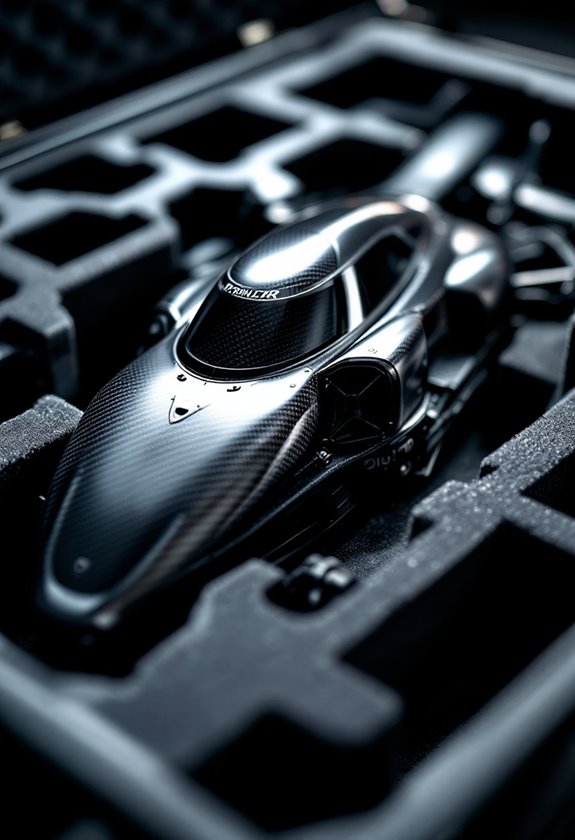
Now that we’ve explored the importance of durability and environmental factors in choosing a carrying case, let’s shift our focus to the exciting features and functionality options available. Different carrying case types cater to various transport modes, ensuring you find the perfect fit for your needs.
For instance, lightweight carry bags are great for manual transport but lack the heavy-duty protection offered by flight cases. Flight cases often have customizable dividers, providing tailored organization for your gear. Soft-sided cases are versatile, allowing for flexible storage while remaining portable. Don’t overlook backpacks, which evenly distribute weight across your shoulders. Each case enhances organization, with pockets and compartments optimizing your experience. By focusing on these features, we can make transporting our essentials a breeze! Additionally, considering size and dimensions is crucial for ensuring the perfect fit for your gear.
Setting a Budget and Customization Considerations
When setting a budget for a carrying case, we’ve got to keep in mind that costs can vary widely depending on materials, features, and regional market factors. For instance, if we’re budget-conscious, plastic cases might fit our needs perfectly since they offer solid protection without breaking the bank. But if we consider higher-end customization options like leather or aluminum, we need to adjust our budget priorities accordingly. It’s important to decide between personal use and possible commercial needs, as this impacts both price sensitivity and volume requirements. As we explore options, striking a balance between initial costs and long-term durability will help us create value, ensuring we get the best possible carrying case for our priorities and preferences. Additionally, considering tool compatibility and versatility can further guide our selection process to ensure our carrying case meets all our needs.
Importance of Proper Organization and Accessories
Proper organization and the right accessories can make a world of difference in our carrying case experience. We all know how frustrating it is to dig through a chaotic bag. This is where effective organization systems come into play. Cases designed with specialized sections protect our electronics and keep everything easily accessible. Having compartments for laptops, tablets, and other devices prevents damage and confusion.
Additionally, let’s not overlook the importance of security accessories. Biometric locks and real-time tracking features enhance the protection of our valuable items. With these smart integrations, we can travel with confidence, knowing our belongings are safe. By prioritizing organization and security, we’re setting ourselves up for a smoother, stress-free travel experience.
Tips for Testing and Evaluating Carrying Cases
Evaluating carrying cases doesn’t have to be overwhelming; it can even be fun! To kick things off, conduct thorough handle testing. Load the case with its maximum weight and lift it using the handles to spot any visual damage. Next, try pull tests on the handles and straps. This checks for their strength against everyday use stresses. Don’t forget the drop tests! Drop the case onto its corners to evaluate its durability. Additionally, check for material quality with tear and abrasion resistance tests. Finally, consider environmental testing—make sure it withstands extreme temperatures and humidity. By following these steps, we can guarantee our carrying cases will hold up under any conditions, keeping our belongings safe and secure!
Frequently Asked Questions
What Types of Items Are Best Suited for a Carrying Case?
We believe suitable items for a carrying case include electronic devices, professional materials, creative artwork, specialized equipment, and personal items—ensuring protection, organization, and secure transport for everything from laptops to fishing gear.
How Do I Clean and Maintain My Carrying Case?
To clean and maintain our carrying case, we should use proper cleaning techniques like gentle scrubbing and vacuuming, along with regular maintenance tips to keep it fresh and functional for our next journey.
Can I Purchase Replacement Parts for My Carrying Case?
Like a sturdy bridge, we can find replacement parts for our carrying cases. By checking replacement part sources and ensuring case compatibility checks, we’ll keep our gear in top shape and ready for any adventure!
Are There Carrying Cases Specifically Designed for Certain Activities or Sports?
Yes, there’re activity-specific options available! We can find sports equipment storage solutions tailored for each sport, ensuring our gear is organized and protected, whether we’re transporting footballs, baseball bats, or gym essentials.
What Is the Typical Lifespan of a Quality Carrying Case?
A quality carrying case can last around 5-10 years if made from durable materials and reputable brands. We’ve found that polypropylene cases, for instance, often average 10.5 years even with frequent travel use.