As an Amazon Associate, we earn from qualifying purchases. Some links on this site are affiliate links at no extra cost to you. Our recommendations are based on thorough research and editorial judgment.


How To Choose Thunder Tiger Cars?

When choosing Thunder Tiger cars, we should consider several key factors. First, think about the scale options, like 1/10 for balance between detail and transport. Next, evaluate engine performance, focusing on tuning and durability. We can compare vintage and modern models for historical charm versus advanced tech. Budget and manufacturer reputation are essential too. Finally, consider your intended use and community support, ensuring we connect with fellow enthusiasts for tips and resources. There’s even more to explore!
Key Takeaways
- Consider the intended application, such as off-road racing or rock crawling, to select the appropriate Thunder Tiger model.
- Evaluate your budget, balancing initial costs and potential upgrade expenditures for performance improvements.
- Assess the specifications such as engine size and features like adjustable suspension for optimal handling and power.
- Research community support options, including online forums and local clubs, for assistance and resources on Thunder Tiger models.
- Compare models for durability and performance, prioritizing those with positive customer testimonials and industry recognition.
Understanding Scale Options
You may be interested



Have you ever wondered how the scale of a remote-controlled car affects your driving experience? At Thunder Tiger, understanding scale options is essential to choosing the right model. The 1/10 scale, like the Jackal Desert Buggy, balances detail and manageability, offering significant scale benefits. This size makes it perfect for tighter spaces and easier to transport. Plus, parts availability is usually higher, thanks to its popularity. However, it does come with limitations, such as less ground clearance compared to the 1/8 scale E-MTA or Bushmaster Desert Buggy, which excel in rough terrains. Choosing the right scale involves considering your driving space, skill level, and budget. Each option brings unique advantages and possible downsides, so we should weigh them carefully.
Evaluating Engine Performance
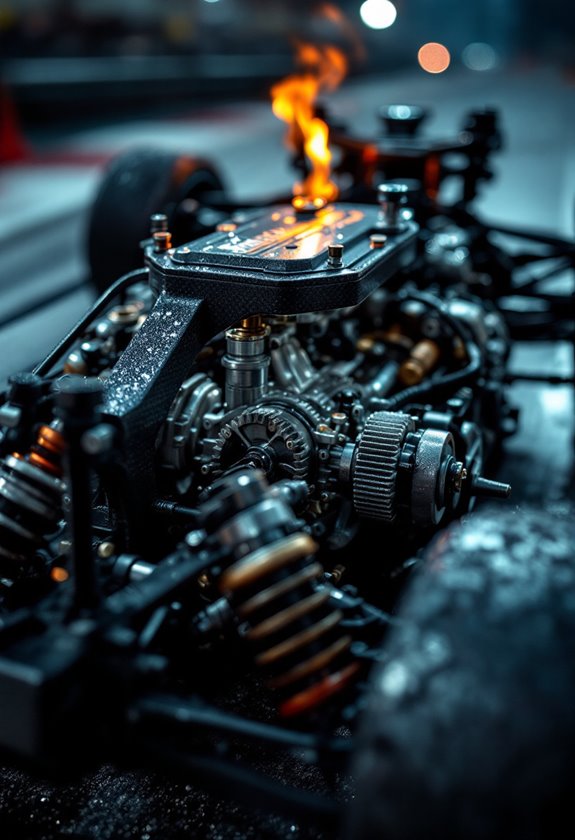
When you’re choosing the right Thunder Tiger car model, engine performance plays a significant role in your overall enjoyment. The impressive Thunder Tiger .21 engines deliver great mid-range power, useful for racing. However, we should pay attention to engine tuning since it profoundly impacts the achievable rpm limitations and responsiveness. Most standard engines reach about 13,000 rpm, but proper gear ratios can help optimize performance. Also, remember that engine size, like the 70 size engines in EK4 models, affects durability and power delivery. With careful tuning and modifications, we can enhance top speed, getting the most out of our Thunder Tiger experience. When we focus on these engine aspects, we’re sure to enjoy a thrilling ride! Additionally, considering the impact of RC car wings on aerodynamics can further improve speed and stability during races.
Exploring Vintage Vs Modern Models
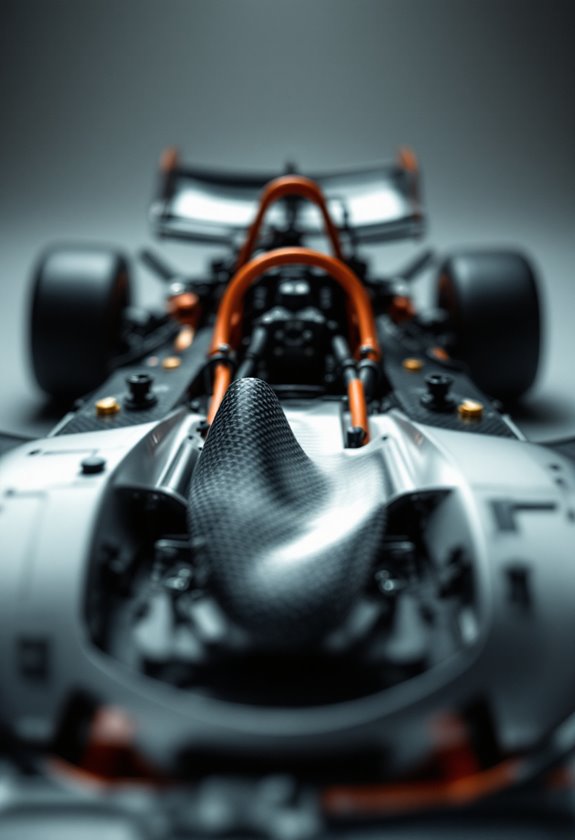
Exploring the differences between vintage and modern Thunder Tiger models brings out the best in our RC car obsession. Vintage models like the Silver Fox showcase historical significance with their sturdy aluminum frames, intricate chain drive systems, and nitro engines. These features reflect a unique design philosophy rooted in durability and performance analysis. On the flip side, modern features, such as the Thunder Tiger KT8’s brushless motor and LiPo battery compatibility, offer exciting material advancements. While modern race buggies excel in durability on the track, vintage cars still charm us with their versatile performance on various terrains. Each era presents a distinct user experience, blending nostalgia with technological evolution, making our choice a thrilling journey through time and innovation. Additionally, vintage style electric RC vehicles are designed to mimic classic car features and are suitable for indoor and outdoor play, further enhancing accessibility for various age groups.
Comparing Competitors
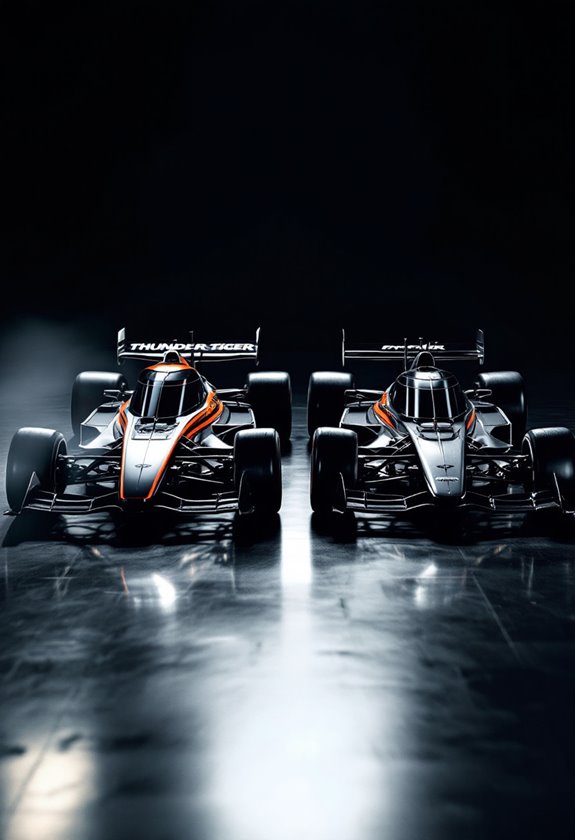
In a world where speed and performance matter, comparing Thunder Tiger cars to their competitors reveals some exciting advantages. We see strong price advantages, with models like the MT-4 G3 costing around $650—$300 less than HPI Savage. This means you get a fantastic price-to-performance ratio without breaking the bank! With regard to performance benchmarks, Thunder Tiger’s Bushmaster competes well against ARRMA Typhon, showcasing impressive handling. While their build quality is solid, it’s important to note that premium brands, like HPI, may offer greater durability. However, the lower costs for replacement parts give Thunder Tiger a competitive edge. With smart market positioning, Thunder Tiger focuses on value, making them a great choice for those who want both performance and affordability! Additionally, Thunder Tiger models often feature high-speed capabilities, making them competitive with other top brands like Traxxas.
Considering Technical Features
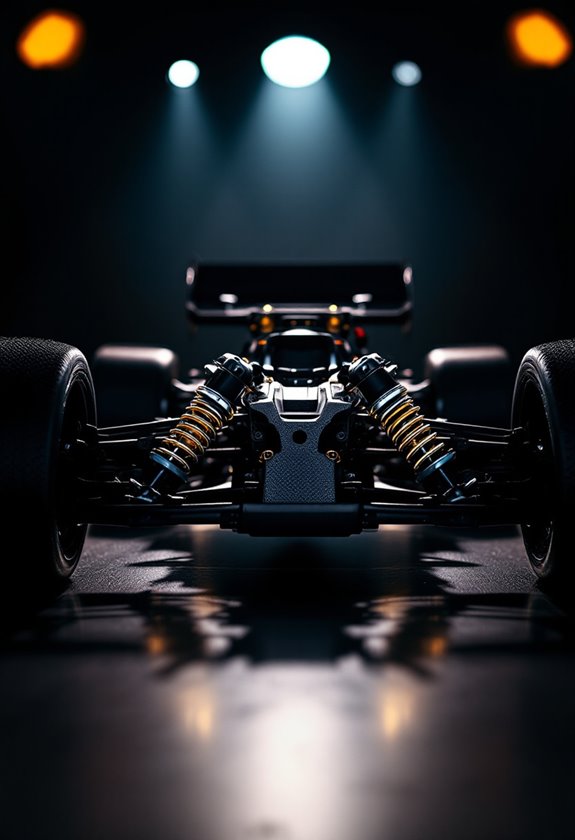
After looking at how Thunder Tiger stacks up against competitors, it’s time to get into the nitty-gritty of their technical features. One standout aspect is the race-proven extra-long anodized aluminum chassis construction. This design enhances durability, making it perfect for competitive racing.
Additionally, the adjustable suspension system tops our list of features. With options for camber, toe-in, and caster angle modifications, we can fine-tune handling for various track conditions. Plus, standard front and rear sway bars add cornering stability. The pillow ball suspension system and strong composite arms improve performance by maintaining precise movements. Together, these elements create a powerful, responsive vehicle. So, let’s embrace these technical features to elevate our racing experience! Furthermore, the use of aluminum alloy in construction significantly increases durability while reducing weight, enhancing overall vehicle performance.
Assessing Maintenance Requirements
When it comes to keeping our Thunder Tiger cars running at their best, regular maintenance can’t be overlooked. To guarantee engine longevity, we need to follow a thorough maintenance checklist. For instance, let’s start with the engine; proper break-in procedures are vital and must align with manufacturer specifications to prevent premature failure. We should also check air filters regularly, as running without proper filtration can lead to serious damage. Don’t forget about suspension components, which require cleaning to avoid rust and wear. Regularly inspecting ball joints and hardware is critical to prevent operational glitches. Finally, keeping our fuel systems clean will guarantee peak performance and prevent contamination issues. By staying on top of these maintenance needs, our Thunder Tiger cars will thrive! Additionally, using high-quality silicone shock oil can significantly enhance the performance and handling of your vehicle.
Identifying Upgrade Potential
Upgrading our Thunder Tiger cars can take performance to thrilling new heights! To guarantee we’re making the most of our upgrades, we need to identify potential limitations in our models. For instance, both EB4 and EK4 models share parts, making simple replacements easy. We can tweak gear ratios by replacing spur gears, or modernize our rides with brushless motors and ESCs seamlessly. Exploring aftermarket options like GPM Racing aluminum hop-ups or Boom Racing bearings can lead to performance gains as well. Remember, customizing isn’t just about speed; it’s about enhancing handling through weight reduction and steering servo upgrades. With smart modification strategies, we can push our Thunder Tiger cars beyond their original potential while keeping an eye on upgrade limitations. Additionally, consider enhancing your vehicle’s aesthetics with RC car LED lights to improve its overall visibility and style during night runs.
Analyzing Platform Design
To truly appreciate the engineering behind our Thunder Tiger cars, we need to immerse ourselves in the intricacies of platform design. The fully assembled shaft-driven 4WD chassis guarantees superior power distribution and enhances platform stability, making our vehicles ready for any terrain. With a mid-engine layout, we get optimized weight distribution, which greatly influences handling characteristics. Our advanced double-wishbone suspension provides independent wheel movement, guaranteeing chassis longevity and superior control on bumpy surfaces. Additionally, the four-link suspension is designed for maximum articulation. Sizes and dimensions vary based on your goals, with wheelbases ranging from 320mm to 360mm, enabling a customized drive experience. Together, these features create a robust foundation that makes Thunder Tiger cars stand out on the track.
Recognizing Driving Style Preferences
Recognizing driving styles is just as important as understanding platform design when selecting your Thunder Tiger car. We must think about how our driving preferences match specific models. For off-road enthusiasts, the Jackal 1/10 desert buggy delivers speed and traction, perfect for maneuvering sandy terrains. If rock crawling is your style, the Toyota Hilux offers stability and grip, ensuring you conquer technical trails. Those into racing will love the Mirage V-Spec, which requires finely tuned settings for peak performance. Finally, street drivers should consider the TS2e, known for its smooth handling on paved surfaces. By understanding these performance preferences, we can choose the right Thunder Tiger car that matches our unique driving styles. Let’s hit the track!
Budget Considerations
When considering which Thunder Tiger car to get, budget plays an essential role in our decision-making process. We can start with entry-level affordability, like the Thunder Tiger Toyota Hilux at just $175, making it accessible for beginners. These models offer a solid performance without demanding a hefty upfront investment. It’s important to think about upgrade costs, too. For about $50, we can boost performance through better engines or enhanced suspension components. However, remember that as we customize our ride, total costs can rise quickly. Overall, we need to weigh our initial budget against long-term maintenance and upgrade expenses to guarantee we find a balanced choice that fits our financial plan while delivering adrenaline-packed fun!
Reviewing Manufacturer Reputation
How do we determine if a brand is worth our time and money? When choosing Thunder Tiger cars, looking into their brand history is vital. They’re known for robust construction and engineering excellence, with well-known professionals guiding their design process. Checking customer testimonials gives us real insights into the vehicles’ performance. Many users praise models like the Bushmaster and Jackal Desert Buggy for their unmatched durability and crash resilience. Plus, Thunder Tiger’s reputation for delivering high-quality products at reasonable prices stands out. With positive ratings and industry recognition, we can feel more confident investing in these vehicles. In short, examining their reputation assures us that we’re making a smart choice with Thunder Tiger cars.
Determining Intended Use Applications
Choosing the right Thunder Tiger car involves understanding your intended use applications. If you’re into rock crawling, the Thunder Tiger 1/12 Toyota Hilux is a fantastic entry-level option, with a sturdy polycarbonate body that can handle tough terrain. It’s compact, making it great for tricky nooks and crannies, and you can enhance its performance with a little extra investment.
For desert racing, consider the Thunder Tiger Jackal 1/10 scale buggy. It runs on 3S LiPo batteries and is built to tackle rough off-road conditions right out of the box. Both models offer durability and reliability, so no matter your passion—rock crawling or desert racing—you’ll find a suitable option that can elevate your outdoor adventures!
Investigating Community Support and Resources
Exploring community support and resources can truly enhance our Thunder Tiger experience, ensuring we get the most out of our models. We should tap into online forums like RC Talk and Tamiyaclub to gain community expertise. These platforms share troubleshooting resources and specific modification techniques that can guide us through repairs and upgrades.
Don’t forget about local RC clubs! They often host events where we can exchange tips and share insights about our Thunder Tiger cars. Plus, many experienced members are willing to lend a hand with maintenance. With access to repair guides, video tutorials, and user manuals, our journey becomes smoother. So, let’s embrace the community, learn together, and enjoy every moment with our Thunder Tiger models!
Frequently Asked Questions
What Is the Best Thunder Tiger Model for Beginners?
When we consider beginner tips, the Jackal desert buggy stands out due to its ease of use, durability, and versatile performance. Comparing models, it’s the best choice, ensuring a fun start in the hobby.
Are There Any Recommended Accessories for Thunder Tiger Cars?
We’d recommend performance upgrades like aluminum hop-ups and full ball bearing sets for Thunder Tiger cars. For maintenance, keeping spare gears and suspension components handy guarantees long-lasting fun and peak performance in our RC adventures.
How Do I Find Replacement Parts for My Thunder Tiger Vehicle?
To find replacement parts for our Thunder Tiger vehicles, we can explore official channels like the Thunder Tiger shop and trusted third-party retailers. Ensuring compatible models guarantees we get the right parts for smooth operations.
Can I Use Thunder Tiger Cars in Competitive Racing Events?
Yes, we can use Thunder Tiger cars in competitive racing, but we must check specific event requirements. Each race may have different rules, so it’s essential to guarantee our cars meet those standards beforehand.
What Safety Gear Should I Use While Operating Thunder Tiger Cars?
Did you know that over 30% of RC car enthusiasts experience minor injuries? To stay safe, we should always wear protective gear like goggles, closed-toe shoes, and gloves. Safety equipment guarantees a fun, injury-free experience together!