As an Amazon Associate, we earn from qualifying purchases. Some links on this site are affiliate links at no extra cost to you. Our recommendations are based on thorough research and editorial judgment.

What Is RC Industry Job?

The RC industry is a thrilling field where we combine technology and creativity with remote-controlled devices like drones, cars, and boats. Jobs in this industry range from drone engineers to sales representatives, ensuring enthusiasts have the latest products. We need strong skills in remote operation, programming, and mechanical understanding to succeed. Plus, with constant growth and new trends emerging, there are plenty of opportunities to explore. Stick around and you’ll discover more about this exciting career path!
Key Takeaways
- The RC industry combines technology and recreation, offering diverse job opportunities in remote control products.
- Positions include drone engineers, sales reps, marketers, and educators focused on remote technology.
- Strong technical skills, software knowledge, and mechanical aptitude are crucial for success in RC jobs.
- Job growth is driven by advancements in hobbyist markets, drones, and commercial applications in the RC sector.
- Future trends indicate increasing demand for specialized skills, especially in AI, cybersecurity, and flexible work arrangements.
Overview of the RC Industry
You may be interested



The RC industry is an exciting world where technology meets recreation, delivering endless fun for hobbyists and serious enthusiasts alike. Engaging in this vibrant community, we find ourselves surrounded by creativity and innovation. The global market for remote control products is booming, with RC boats and cars leading the charge. By 2026, the RC Radio Equipment market alone is projected to be worth $1.5 billion. Emerging technologies, like GPS integration and advanced control systems, are making our experiences even better. As we embrace electric-powered models for their eco-friendly benefits, we see the RC hobbyist community growing rapidly. With clubs and online forums, connecting with other enthusiasts is easier than ever, fueling our passion for remote-controlled wonders.
Recommended Products

Eye-Catching & Fully-Waterproof Design: The Boat built-in LED light stripes along with the full hull , making it stand out on the water and creates great visibility for nighttime driving. The upgraded cover and robust buckle provides great water-resistant and easy installation.

Colorful LED Ring & Low‑Battery Alert: This motorcycle-shaped remote-controlled speedboat features a sleek jet-powered hull. A ring of vibrant LED lights surrounds the hull, creating a stunning visual effect. The lights flash to alert you when the battery is low. Whether day or night, this adult-sized remote-controlled speedboat offers a cool and fun experience.
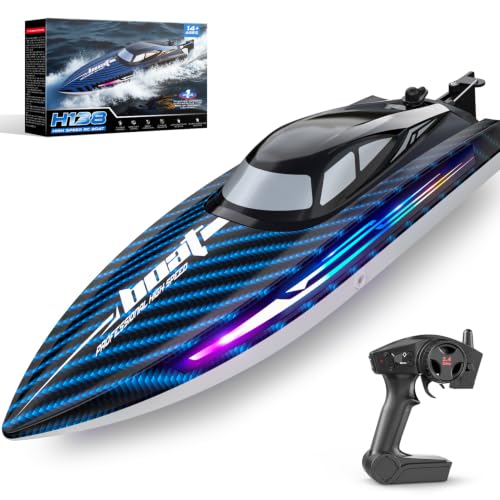
Fast and Far Range: The max speed of this high speed boat reaches to 30 kmh. There are three speed modes for your preference. The control range is up to 120m(394ft). The battery included will work for 18 to 20 in a single charge.
Types of Jobs in the RC Industry

Our exploration of the RC industry leads us to the exciting variety of jobs available within this dynamic field. In this sector, we can find roles like drone engineers, who design and innovate drone technology, or hobbyist market specialists, who understand what enthusiasts want. Additionally, there’s a demand for sales representatives who can connect consumers with the latest products. We can also explore positions in marketing, focusing on engaging the community of hobbyists. Aside from that, some of us may find fulfillment in education roles, teaching others about the wonders of remote control and aerial technology. Overall, the diversity of opportunities allows us to align our passions with fulfilling careers in the thriving RC industry, particularly in areas related to high-performance lubrication that enhance the longevity of RC vehicles.
Recommended Products

Item Package Dimension: 9.83L x 2.43W x 2.43H inches

High Pressure RC Grease for Thrust Race Applications: Engineered rc grease designed primarily for thrust races in ball differentials. Provides stable lubrication under extreme load conditions in RC drivetrain systems

COMPLETE 2-BOTTLE RC LUBRICATING OIL KIT: Includes two 1oz bottles of 5cSt low viscosity synthetic silicone oil for RC maintenance. Ideal for bearings, gears, shafts, electric motors, and moving drivetrain components in RC cars, trucks, buggies, boats, and hobby vehicles. Delivers smooth lubrication for consistent performance
Skills Required for RC Industry Positions
Exciting career opportunities in the RC industry require a unique blend of skills that set candidates apart. To thrive, we need strong remote operation skills and deep software integration proficiency. We should have excellent hand-eye coordination for precise control and a mechanical aptitude to grasp complex remote systems. Familiarity with specialized software and programming interfaces is essential, especially for data analysis and system monitoring.
Clear communication helps us document procedures and collaborate with remote teams effectively. Safety awareness is a must; we must understand protocols and risk management. Finally, being adaptable with critical thinking will aid us in troubleshooting equipment and making quick decisions. By honing these skills, we prepare ourselves for rewarding careers in this dynamic field. Additionally, knowledge of tire selection and compatibility can enhance performance and understanding of vehicle dynamics in RC racing.
Recommended Products

TWO-PLAYER RACING - Two 1:24 remote control cars and two independent 2.4GHz remotes support stable simultaneous control, so two drivers can race side by side without taking turns. Bring siblings, friends, and parents into the same indoor racing game for family game nights, playdates, and parties.
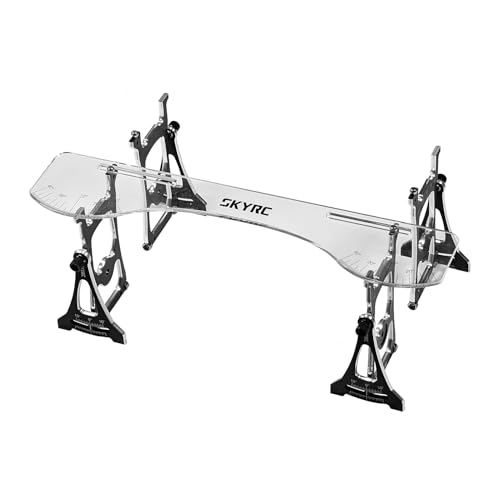
Thanks to this setup system set in elegant black, which was specially designed for 1/10 buggies, almost all important parameters can be optimized conveniently and easily.

33KM/H Speedy 1:12 RC Cars: Powered by a strong RC 380 motor, the rc car can reach speeds up to 33 km/h at full speed! First-rate rc truck at this price. Enjoy your racing with 2.4GHz no delay remote controller, which has a control distance of 50 meters. Great off-road monster truck ever
Career Opportunities and Growth in the RC Industry
Career opportunities in the RC industry are vibrant and varied, showcasing a range of roles that cater to different interests and skill sets. From manufacturing positions to careers in drones and UAVs, this field offers exciting paths for all. We can explore opportunities in hobbyist markets, RC racing, and commercial applications of RC technology. As we conduct market analysis, we’re finding that demand is growing, offering the potential for career advancement. Salary expectations can vary widely based on experience and role, with some positions offering competitive pay. If we stay updated on industry trends and continuously improve our skills, we’ll find fantastic growth potential in the RC industry. Additionally, understanding the importance of material durability in product design can enhance our competitiveness in this thrilling world together!
Recommended Products
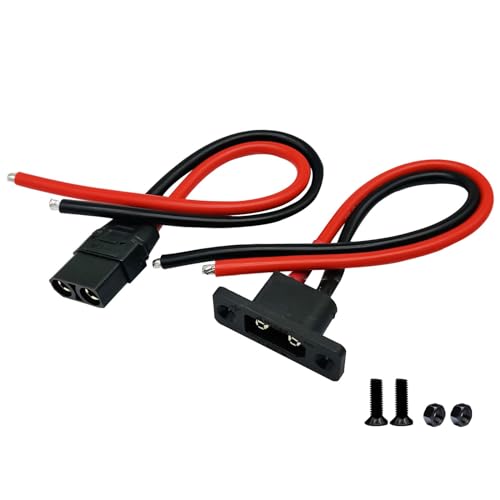
XT90H XT90E-M is processed from original Amass products. The electrical, mechanical, and environmental performance are completely consistent with Amass XT90, and it is compatible with various Amass XT90 male connectors.

Freestyle FPV Racing Quadcopter Acro Quadcopter Pilot RC FPV, FPV mini quads racing. Birthday gift for old man son dad or father who loves flying kwad drones, UAV pilots freestyle quadcopter racer or kids tiny kit whoop faa 107 licensed flyer.

Drone Racing FPV design. Quadcopter Racing Skull Goggles Rc Pilot FPV Drone Freestyle is a great for every fpv pilot and unmanned aerial vehicle fan who loves drone photography and rc planes for fpv freestyle drone racing
Challenges Faced by Professionals in the RC Industry

Maneuvering the RC industry presents some unique challenges for professionals. One major hurdle we face is steering through regulatory challenges. Compliance with local and international regulations can be overwhelming, especially as these rules evolve rapidly. Additionally, technology integration is another significant challenge. We constantly endeavor to keep up with new advancements that improve our products, but incorporating these technologies can require extensive training and adaptation. It’s essential for us to maintain accuracy and safety while seeking innovative solutions. Together, we tackle these obstacles by sharing knowledge and developing strategies that help us adapt. By staying connected and collaborating, we can overcome these hurdles and continue to thrive in the exciting world of the RC industry. Moreover, understanding the importance of high-quality materials is vital for ensuring product durability and performance in our designs.
Future Trends in the RC Job Market
As we look ahead to the future trends in the RC job market, it’s clear that exciting changes are on the horizon. Job automation is rapidly transforming our industry, allowing us to handle routine tasks more efficiently. With the rise of AI-powered tools, we can embrace remote collaboration like never before, enhancing teamwork while working from various locations. Studies show that more than 80% of workers prefer flexible work arrangements, which is driving companies to adopt hybrid models. As we navigate these trends, we’ll see a surge in demand for specialized tech skills, especially in cybersecurity and AI. Employees who adapt to these changes will thrive in a dynamic job landscape focused on resilience and innovation.
What Educational Qualifications Are Needed for RC Industry Jobs?
For RC industry jobs, we need a solid foundation in electronics and engineering, alongside hands-on experience. Embracing current industry trends, diverse educational pathways strengthen our qualifications and enhance our career prospects in this evolving field.
Are There Certifications Specific to the RC Industry?
There aren’t specific certification programs for the RC industry that meet distinct industry standards. However, pursuing related certifications can enhance our knowledge and skills, benefiting our growth in this niche field.
What Is the Typical Salary Range for RC Industry Positions?
In the RC industry, salary expectations for positions vary widely, ranging from $9.38 to over $70 per hour. Alongside competitive wages, we can enjoy numerous job benefits that enhance our overall work experience.
How Can I Gain Experience in the RC Industry?
To gain experience in the RC industry, we should participate in hobbyist events, seek networking opportunities, and volunteer at local shops. Getting involved with communities helps us build skills while connecting with others passionate about RC.
What Are Common Career Paths in the RC Industry?
In exploring common career paths in the RC industry, we find diverse opportunities, evolving industry trends, innovative design roles, dynamic engineering positions, customer service avenues, and engaging marketing careers that cater to passionate individuals like us.