As an Amazon Associate, we earn from qualifying purchases. Some links on this site are affiliate links at no extra cost to you. Our recommendations are based on thorough research and editorial judgment.

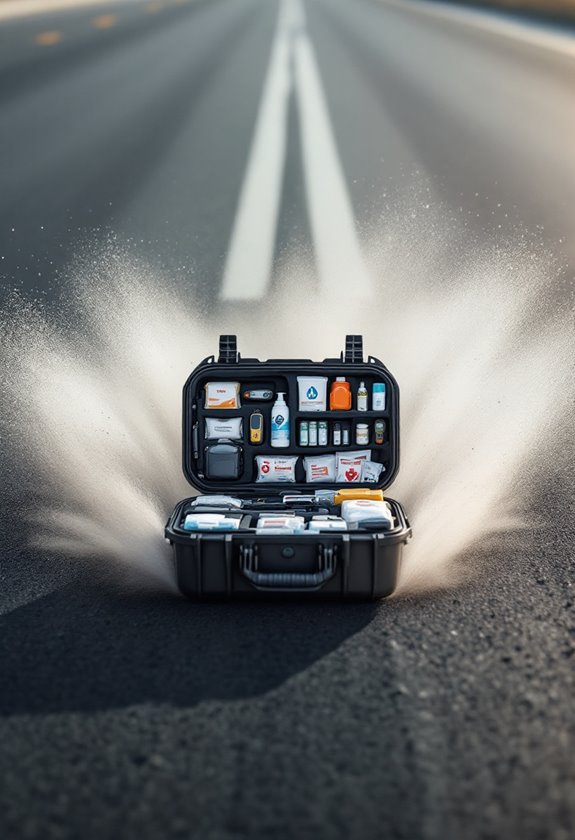
How To Setup Emergency Kit?

To set up an emergency kit, we should first evaluate our family’s unique needs, especially for any elderly or disabled members. Next, let’s gather essential supplies, like a well-stocked first aid kit, hygiene items, and crucial documents. We need to store food and water safely, using labeled containers and rotating supplies regularly. Don’t forget about assembling medical kits and emergency tools! Keep everything up-to-date, ensuring our kit’s ready when we need it most. There’s more to explore, so let’s delve further!
Key Takeaways
- Start by gathering essential first aid supplies, including bandages, gauze, and over-the-counter medications like pain relievers and allergy meds.
- Assemble hygiene items such as soap, toilet paper, and sanitation supplies to maintain cleanliness during emergencies.
- Include communication tools, like a battery-powered radio and flashlights, to stay informed and safe when power is lost.
- Store vital documents in a waterproof container, ensuring easy access to important information during an emergency.
- Regularly check and maintain your kit every six months, rotating expired items and restocking necessary supplies.
Assessing Your Family’s Needs
You may be interested



When we think about emergencies, it’s essential to assess our family’s needs first. To guarantee our family health, let’s start by identifying any unique considerations. Do we have elderly or disabled members who might require special assistance? We need to make a list of their medical devices and prescriptions, guaranteeing we have at least a week’s supply on hand. We should also write down allergies and chronic conditions for quick access. Let’s gather information on local disaster response systems and evacuation routes too. Understanding these details means we can better prepare for potential emergencies and be ready to support each other. By taking these steps, we’ll create a solid foundation for our emergency planning. Additionally, consider the importance of long cycle life in ensuring that emergency equipment, like batteries, remains reliable during critical situations.
Gathering Essential Supplies
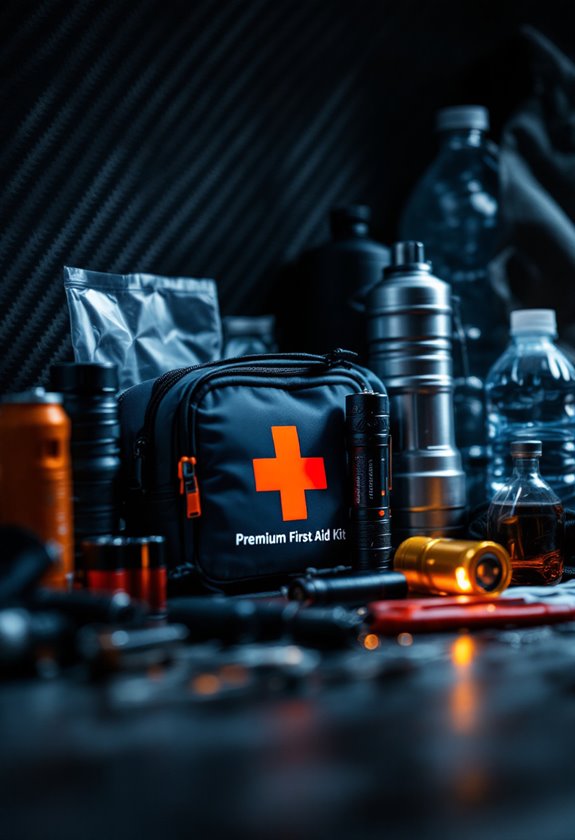
Gathering essential supplies is a vital step in preparing for any emergency. We should start by consulting supply checklists that guarantee we have a range of first aid and medical supplies. A well-stocked first aid kit needs bandages, antibiotic ointments, and pain relievers. Don’t forget hygiene items like soap and toilet paper, as well as sanitation supplies like garbage bags.
Next, we should consider communication and lighting tools, such as a battery-powered emergency radio and flashlights with extra batteries. Additionally, having a durable tool kit can aid in making quick repairs if necessary during an emergency situation. Finally, let’s assemble important documents and miscellaneous supplies, making sure our vital items—like IDs and emergency contact lists—are waterproof. By precisely collecting these essentials, we bolster our emergency preparedness and feel more confident facing unexpected situations together.
Storing Water and Food Safely
Storing water and food safely is essential for ensuring that we’re prepared for any emergency situation that may arise. First, we need to keep our supplies in cool, dry, and dark places to maximize shelf life. Using safe containers like glass jars, plastic food storage bins, or metal cans can protect our dry foods. Don’t forget to rotate our supplies every six months, checking expiration dates and replacing items as needed. Storing potable water in food-grade containers is vital, ensuring they’re sealed tightly and kept in the dark. We should also label everything clearly, including dates on food and water, to maintain freshness. With these tips, we’ll be ready for whatever comes our way! Additionally, consider using high-quality materials for food storage solutions to ensure durability and safety.
Assembling First Aid and Medical Kits
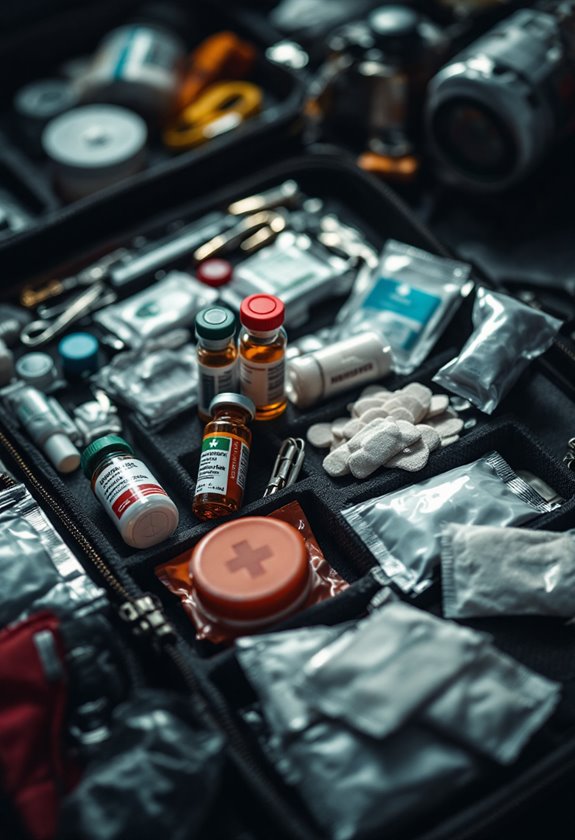
As we prepare for emergencies, assembling a robust first aid and medical kit can make an essential difference in our ability to respond effectively to injuries. First, let’s gather some first aid essentials like adhesive bandages in various sizes, sterile gauze pads for larger wounds, and medical adhesive tape. Don’t forget disposable gloves to keep things hygienic, and antibiotic ointment for those minor cuts.
Next, we should think about kit organization. Use clear plastic pockets for quick access to items like scissors, tweezers, and a thermometer. Including over-the-counter medications like pain relievers and allergy meds is vital too. Additionally, consider including spring dimensions and stiffness to ensure the kit is adaptable for various injuries. Finally, remember to label everything and regularly inspect our kits, ensuring we’re always ready for emergencies with well-maintained supplies.
Preparing Clothing and Bedding
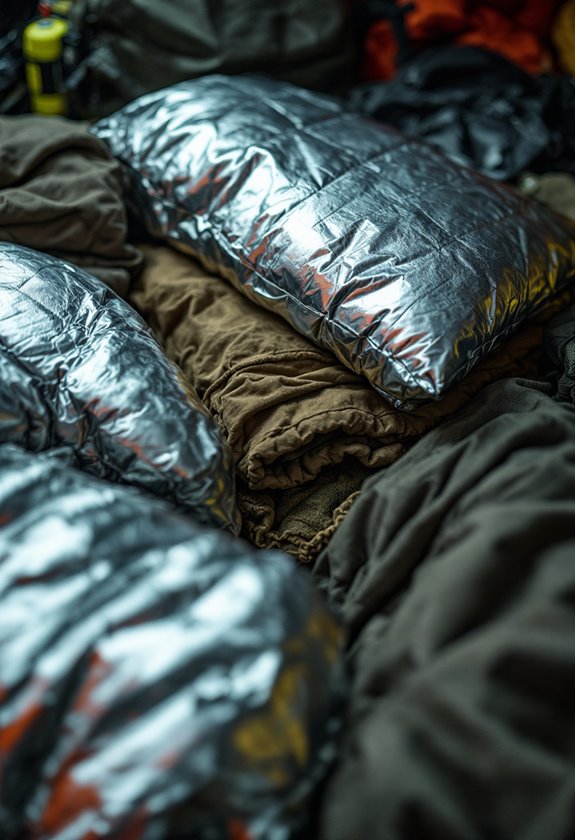
Preparing for an emergency doesn’t just mean stocking up on food and medical supplies; we also need to think about clothing and bedding essentials. First, let’s choose clothing materials suited for the climate. We should have at least one complete change of clothes per person, including long-sleeved shirts, long pants, and sturdy shoes. Moisture-wicking and quick-drying fabrics will keep us comfortable in stressful situations.
For bedding types, pack sleeping bags or warm blankets and consider insulated mats to retain heat during colder weather. It’s wise to organize these items in waterproof containers to keep everything clean and dry. Regularly review and update our clothing and bedding to guarantee they’re suitable for our family’s changing needs. Remember, comfort in a crisis matters!
Collecting Tools and Emergency Equipment
Equipping ourselves with essential tools and emergency equipment is a significant step in creating a reliable emergency kit. First, we should refer to our emergency checklists to guarantee we have all necessary components. Stock sterile gauze pads, adhesive tape, and bandages for immediate wound care. Don’t forget a multipurpose tool for various tasks, along with a flashlight and weather-capable radio for communication. Keeping extra batteries and a cell phone charger handy is imperative too. We should include cash for emergencies when electronic payments might fail. By gathering these essential gear items, we’re better prepared for unexpected situations. Let’s take the time to assemble a thorough kit that keeps us safe and connected during emergencies!
Ensuring Hygiene and Sanitation
Ensuring hygiene and sanitation during emergencies is essential, especially when basic resources are limited. We’ll need to pack important hygiene products like toothbrushes, toothpaste, soap, and shampoo to keep ourselves clean and prevent infections. Pre-moistened towelettes and baby wipes are lifesavers when water is scarce.
For proper waste management, a medium-sized plastic bucket with a tight lid acts as a great latrine or waste collector. Heavy-duty garbage bags will help us contain and dispose of solid waste effectively.
Don’t forget hand sanitizer, disinfectant cleaners, and toilet paper; these sanitation tools protect us from germs. Plus, including feminine hygiene products means we’ll have comfortable solutions for everyone. Staying clean is key to our well-being during emergencies. Additionally, consider adding hygiene products that are essential for maintaining cleanliness in challenging situations.
Regular Maintenance and Updates
Regular maintenance and updates of our emergency kit can make a world of difference when disaster strikes. We should check all items every six months, focusing on expiration dates for food, water, and medication management. Let’s rotate our food supplies, guaranteeing the oldest items are used first, while updating fresh stock to keep our supplies viable. Regularly inspecting our emergency gear for wear and tear is essential, along with reviewing first aid supplies to replace used or expired items. We also need to maintain a one-week supply of prescribed medications, including important medical information for each family member. Additionally, ensuring that all items are stored in non-toxic, child-safe materials can enhance overall safety and preparedness. With consistent updates, we’ll guarantee everything is ready and effective when we need it most.
Frequently Asked Questions
How Can I Involve Children in Creating the Emergency Kit?
Let’s turn this important project into a fun adventure! We can involve children by assigning kid-friendly tasks, like decorating their kits and packing essential items, making learning enjoyable and memorable for everyone involved.
What Emergency Kits Are Best for Specific Natural Disasters?
For specific natural disasters, we need hurricane supplies, earthquake essentials, flood provisions, and tornado gear. Each kit should cater to the unique challenges posed by these events, ensuring we’re prepared no matter what comes our way.
How Do I Choose a Location for My Kit?
Choosing a location for our kit’s like finding a lighthouse in a storm; it needs to be accessible. We should place it in high traffic areas, ensuring everyone can quickly grab it when needed.
Should I Have Multiple Kits for Different Locations?
Absolutely, we should have multiple kits for different locations. Ensuring home safety and packing travel essentials for various scenarios helps us stay prepared, reducing stress during emergencies and allowing for a quick, effective response.
How Do I Train My Family to Use the Emergency Kit?
To train our family for using the emergency kit, we can role play and conduct practice drills. By simulating scenarios together, we’ll build confidence and make certain everyone knows their responsibilities when it counts most.