As an Amazon Associate, we earn from qualifying purchases. Some links may be affiliate links at no extra cost to you. Although our opinions are based on curated research, we haven't used these products. Articles generated with AI.


What Are Limited Slip Diffs?

Limited-slip differentials, or LSDs, are clever gear mechanisms that help our vehicles maintain traction. They allow the wheels to turn at different speeds, especially during acceleration and cornering. This means we can enjoy better grip and control, especially on slippery surfaces. LSDs come in various types, like mechanical and viscous, each offering unique advantages. They improve stability, reduce tire wear, and boost performance. Stick around, and you’ll discover even more about how LSDs enhance our driving experience!
Key Takeaways
- Limited-slip differentials (LSDs) enhance vehicle traction by allowing output shafts to rotate at different speeds while limiting the maximum difference.
- LSDs channel power to the wheel with the most grip, improving acceleration and stability, especially in slippery conditions.
- Mechanical clutch-type, viscous, and geared torque-sensitive LSDs are among the various
Definition and Basic Function of Limited-Slip Differentials
You may be interested



When we plunge into the world of limited-slip differentials (LSDs), we discover how this advanced gear mechanism makes driving not just smoother, but also more efficient. An LSD is a specialized type of differential that allows the two output shafts to rotate at different speeds while limiting the maximum difference. This means power is channeled to the wheels with the most traction, enhancing our vehicle’s acceleration and stability. Unlike open differentials, which can result in one wheel spinning uselessly, LSDs maintain traction control to avoid this issue. They effectively manage torque distribution, making them especially popular in high-performance vehicles. By combining various differential types, LSDs provide a superior driving experience, especially in tricky conditions like rain or mud. Additionally, advanced remote control technology in RC cars can similarly enhance traction management for improved performance during competitive racing.
Operating Mechanisms and Technology Behind LSDs

Limited-slip differentials (LSDs) rely on fascinating operating mechanisms and technology that greatly enhance vehicle performance. They use torque transfer to balance the power between wheels, ensuring consistent traction even on slippery surfaces. In clutch pack systems, friction dynamics come into play as plates engage, creating a locking effect that helps control wheel slip. Viscous coupling mechanisms automatically adjust resistance based on output speed differences, ensuring a smooth driving experience. Meanwhile, gear-based limiting systems provide the necessary torque limitation using a basic gear train. Each setup is customizable, allowing us to fine-tune preload and plate specifications. With these sophisticated technologies, LSDs help deliver the superior handling and performance drivers crave, making every turn an exhilarating experience! Additionally, the principles of gear material durability play a crucial role in the performance and reliability of LSDs in high-performance applications.
Types of Limited-Slip Differentials Available

In today’s automotive world, choosing the right type of limited-slip differential (LSD) can greatly impact your vehicle’s performance. There are several types to examine. First, mechanical clutch-type LSDs utilize clutch variants to lock wheels during acceleration or deceleration. These are durable and easily adjustable, making them popular for performance applications. Next, viscous LSDs require fluid maintenance, as they rely on specialized liquids to create resistance and respond to wheel speed differences. Then, we have geared torque-sensitive LSDs, which use unique gearing to distribute power effectively. Finally, electronic differential control systems monitor wheel slip with sensors, applying brakes individually to enhance traction. Each type has its own characteristics, so evaluating your needs is essential for ideal performance. Additionally, investing in durable components can further optimize overall vehicle reliability and performance.
Performance Benefits and Advantages of LSDs

While we might think of differentials as just components in our vehicles, the performance benefits of limited-slip differentials (LSDs) are nothing short of impressive. One of the key performance enhancements we gain is improved traction control. LSDs shift torque to the wheel with the most grip, preventing power loss and reducing wheel spin. This means better acceleration and stability, especially during cornering. Plus, when one tire faces low traction conditions, the system effortlessly redistributes power, ensuring we maintain forward momentum. With less unnecessary tire wear and lower maintenance needs, LSDs also enhance safety and vehicle stability, giving us more confidence on varying road surfaces. Additionally, the precision offered by calibration of ride height gauges ensures that all aspects of the vehicle’s setup are optimized for performance. It’s all about maximizing performance while minimizing challenges on the road.
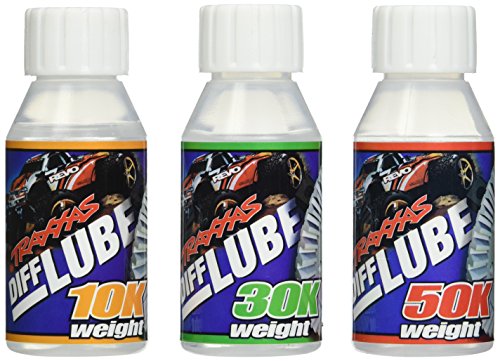
Differential oil kit contains 1 each: 10,000, 30,000, 50,000

Engineer-Grade Precision & Universal Compatibility: Experience seamless clutch power with tight-tolerance pins and zero-slip gears. Designed to match industry-standard technic dimensions, these parts mate perfectly with major construction block systems and motorized sets. No loose connections, no frustrating structural fails.

1/24 Plastic Mitsubishi Lancer Evolution VI Vehicle
Applications and Vehicle Types That Use LSDs
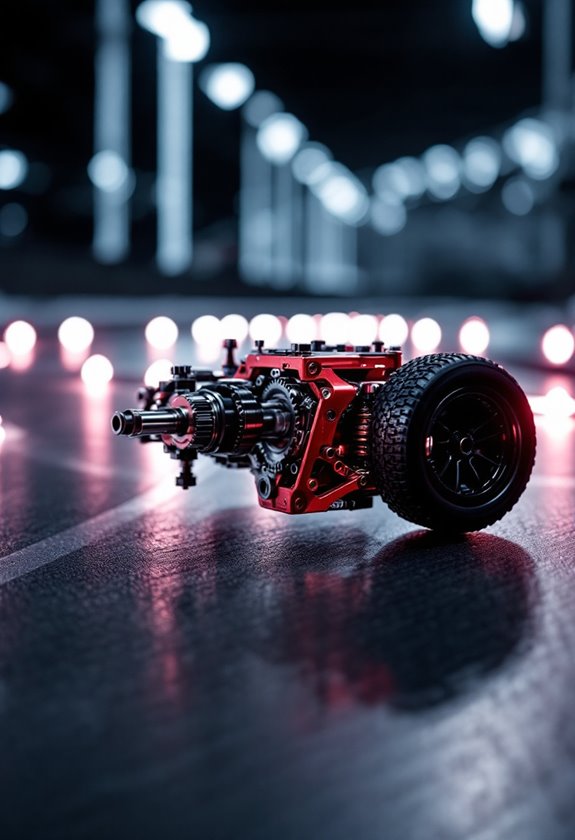
When it comes to vehicle performance, many of us might not realize just how widely limited-slip differentials (LSDs) are used across various types of cars and trucks. In everyday passenger vehicles, LSDs improve traction and reduce tire wear, enhancing safety on wet roads. Off-road vehicles, like trucks and Jeeps, rely on LSDs to navigate tough terrains without getting stuck. Sports cars often come equipped with LSDs for better control during sharp turns and aggressive acceleration. Racing applications also benefit from LSD technology, providing consistent power delivery for those high-speed maneuvers. We see LSDs in rear-wheel drive vehicles and even in electric vehicles, showcasing their versatility across different driving needs and conditions. Additionally, advanced features like tunable suspensions in racing models enhance the effectiveness of LSDs during competitive events.
Technical Considerations and Maintenance for LSDs
Understanding the nuances of limited-slip differentials (LSDs) can considerably enhance our driving experience, especially since these components play an essential role in vehicle handling and performance. When it comes to tuning strategies, we need to reflect on variables like preload adjustments and the number of friction plates. These directly affect our LSD’s performance and characteristics. For maintenance, keeping a regular maintenance schedule is crucial. Mechanical clutch LSDs typically require less maintenance, but we should inspect the wear patterns of friction and steel plates. Viscous LSDs, on the other hand, need fluid replacements to maintain proper function. Don’t forget, tailoring the setup to our specific car and driving style maximizes our LSD’s efficiency and reaction on the road! Additionally, understanding droop travel in relation to suspension can also provide insights into overall vehicle handling and stability.
Frequently Asked Questions
How Do Limited-Slip Differentials Affect Fuel Efficiency?
Limited-slip differentials impact fuel consumption by creating extra internal friction, affecting driving dynamics. While they improve traction, they can slightly reduce fuel efficiency, especially in standard driving conditions compared to simpler open differentials.
Can I Install an LSD in Any Vehicle?
We can’t just slap an LSD in any ride, like a tinker adding gears to an old clock. Vehicle compatibility’s essential; installation depends on differential design and axle configuration, so knowing your model’s specs helps immensely.
Are Limited-Slip Differentials Difficult to Repair?
Yes, limited-slip differentials can be challenging to repair. We should remember to follow maintenance tips closely, seeking professional help when needed, especially for diagnosis and reassembly, to guarantee peak performance and longevity.
How Long Do Limited-Slip Differentials Typically Last?
Limited-slip differentials typically last around 50,000 to 100,000 miles. With some maintenance tips, like regular gear lube changes, we can help extend their differential lifespan and keep our vehicles running smoothly longer.
Do LSDS Contribute to Increased Tire Wear?
Yes, LSDs can contribute to increased tire wear, especially under aggressive driving conditions. By ensuring proper tire maintenance and utilizing traction control, we can mitigate some wear and enhance overall performance for our vehicles.