As an Amazon Associate, we earn from qualifying purchases. Some links on this site are affiliate links at no extra cost to you. Our recommendations are based on thorough research and editorial judgment.


How To Choose RC Car Tool Kit?

To choose the right RC car tool kit, we first consider our RC car scale and specific maintenance needs. For basic repairs, we need hex drivers, socket wrenches, and body tools like Lexan scissors. If we’re planning advanced repairs, calipers and digital multimeters are essential. Prioritizing high-quality tools guarantees durability and reliable performance. Finally, organizing our tools efficiently with multi-level toolboxes and labeled bags can simplify our setup. Let’s explore more specific recommendations next!
Key Takeaways
- Select hex drivers (1.5mm, 2.0mm, 2.5mm) for screws and socket wrenches (5.5mm, 7.0mm) for nuts, ensuring compatibility with your RC car’s size.
- Include specialized tools like camber gauges and calipers for precise adjustments and measurements, critical for performance optimization.
- Invest in high-quality tools made from durable materials to ensure longevity and reliability during maintenance and repairs.
- Organize your toolkit with multi-level boxes and labeled bags for easy access to frequently used items and components.
- Consider portability when choosing your toolkit, using wheeled bags for events and compact boxes for small parts storage.
Understanding Your RC Car Scale and Requirements
You may be interested
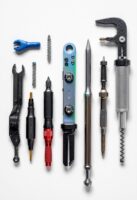
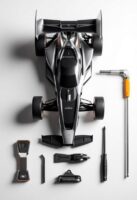

When we immerse ourselves in the world of RC cars, understanding the scale and requirements is essential for making the right choice. Each scale comes with its unique specifications that affect how we use our cars. For instance, a 1/24 scale car, measuring just 7-9 inches, excels indoors, while a 1/5 scale car, which stretches up to 3 feet long, is best suited for rugged outdoor environments. If we’re into thrilling speed, 1/10 and 1/8 scale cars are perfect for off-road action and can handle challenging terrains. With a proper scale comparison, we can determine what fits our needs best, ensuring we choose an RC car that aligns with both usage environments and driving experience. Additionally, matching the motor KV ratings to the vehicle scale can significantly enhance performance and responsiveness. Let’s dive deeper into our options!
Essential Tools for Basic Maintenance
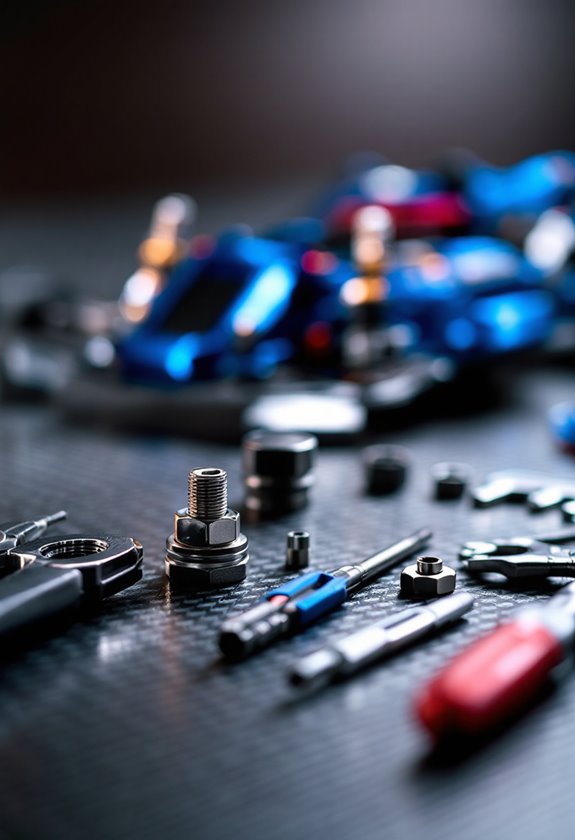
Choosing the right tools for basic maintenance can greatly enhance our RC car experience. First on our list are hex drivers. We should include 1.5mm, 2.0mm, and 2.5mm sizes, as these fit most common screws, with 2.0mm being the MVP. For tightening nuts, socket wrenches are a must—5.5mm and 7.0mm sizes work for 1:10 scale cars. Body tools, like Lexan scissors and reamers, allow us to customize and fit our car bodies perfectly. Finally, let’s not overlook maintenance fluids. Brake cleaner, tire glue, and differential oil keep our cars running smoothly. With these essential tools, we can confidently tackle our RC car maintenance and enjoy our hobby to the fullest! Additionally, having a comprehensive toolset ensures that we have all the necessary tools for effective repairs and maintenance.
Recommended Products
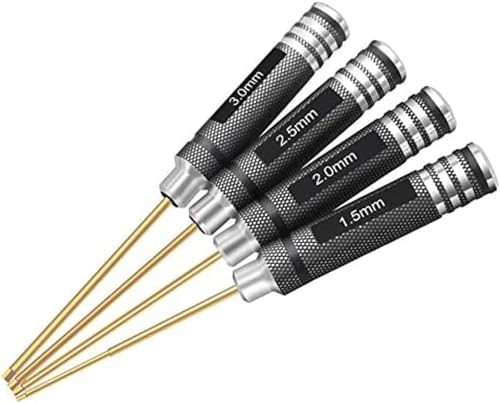
【Upgrade Version】Quality non-slip aluminum alloy handle with cover,The tips are made of Titanium-Plated Steel,hardness is over 60, resistant to stripping & breaking, rust-free and durable, Hex screwdriver tool kit set is the best choice for Model Hobbists & R/C Enthusiasts

VERSATILE 4-IN-1 SET FOR DIVERSE APPLICATIONS: This comprehensive RC screwdriver set includes four essential sizes: 1.5mm, 2.0mm, 2.5mm, and 3.0mm hex drivers, making it the ultimate all-in-one tool kit. It is expertly suited for maintaining, repairing, and upgrading a wide array of devices such as RC cars, drones, helicopters, robotics, watch, i phone, computer, glasses and everyday household items. A must-have toolkit for enthusiasts and home repair practitioners alike.

VERSATILE 4-IN-1 SET FOR DIVERSE APPLICATIONS: This comprehensive RC screwdriver set includes four essential sizes: 1.5mm, 2.0mm, 2.5mm, and 3.0mm hex drivers, making it the ultimate all-in-one tool kit. It is expertly suited for maintaining, repairing, and upgrading a wide array of devices such as RC cars, drones, helicopters, robotics, watch, i phone, computer, glasses and everyday household items. A must-have toolkit for enthusiasts and home repair practitioners alike.
Specialized Tools for Advanced Repairs
Specialized tools play an essential role in elevating your RC car repairs to a whole new level. For those of us diving into advanced diagnostics and precision tuning, the right tools become indispensable. Calipers help us take exact measurements, ensuring components fit perfectly. Camber and chassis height gauges enable precise suspension adjustments, improving handling dramatically. With temperature-controlled soldering stations, we can modify ESCs and upgrade wires safely. Specialized pinion pullers prevent damaging our motors during gear changes, while bearing installation tools guarantee a proper fit. Furthermore, digital multimeters empower us to test voltage effectively. By investing in these specialized tools, we can achieve outstanding performance and keep our RC cars competitive on the track! Additionally, ensuring tool compatibility and versatility is crucial to maximize the effectiveness of your repairs.
Recommended Products
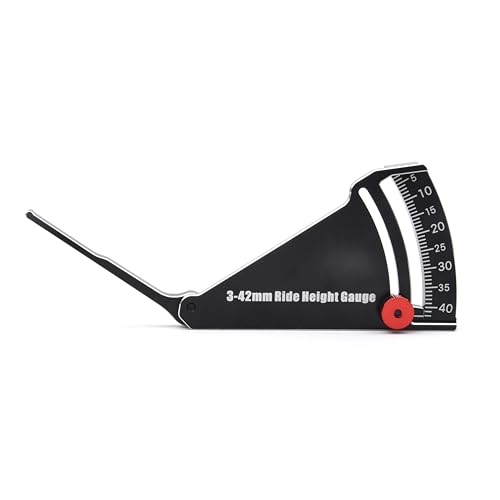
It is made of aluminum alloy, sturdy and durable, beautiful appearance.

【Versatile Compatibility】Suitable for various RC 1/10 Scale car models including flat racing, drifting, and competitive racing cars, ensuring a universal fit for your tuning needs.

Adjustable Ruler Measure RC car Height & Wheel Rim Camber,Compatible with HSP HPI Traxxas 1/10 1/8 On-road RC Car Truck,also can measure the wheelbase.
Importance of Tool Quality and Durability
Investing in high-quality tools is essential if we want to elevate our RC car maintenance and repairs. When we opt for premium tools made from superior materials, we’re ensuring tool longevity and reliability. Hardened steel tips prevent deformation during repeated use, maintaining precise fits that we need for effective repairs. Plus, quality materials enhance wear resistance, reducing failures during those vital moments when we’re fixing our cars. Tools from reputable manufacturers often come with lifetime warranties, showcasing their commitment to durability and performance. By choosing tools designed for longevity, we minimize replacement costs and extended downtime. In short, investing in quality tools means we can enjoy better performance and peace of mind while maintaining our RC vehicles. Additionally, a comprehensive RC repair kit can greatly simplify your repair tasks by providing all necessary tools and components in one organized package.
Recommended Products

RC stand Compatible with Mostly Brands 1/8 1/10 1/12 1/16 Scale Models, Such as Traxxas / Arrma / Redcat Racing / SCX10 / HSP / HPI / Axial / RC4WD / WLtoys / Kyosho / Himoto / Losi / Exceed / Tamiya RC Crawler Car Truck Buggy Vehicle Scale Accessories.

RC stand Compatible with Mostly Brands 1/8 1/10 1/12 1/16 Scale Models, Such as Traxxas / Arrma / Redcat Racing / SCX10 / HSP / HPI / Axial / RC4WD / WLtoys / Kyosho / Himoto / Losi / Exceed / Tamiya RC Crawler Car Truck Buggy Vehicle Scale Accessories.

RC stand Compatible with Mostly Brands 1/8 1/10 1/12 1/16 Scale Models, Such as Traxxas / Arrma / Redcat Racing / SCX10 / HSP / HPI / Axial / RC4WD / WLtoys / Kyosho / Himoto / Losi / Exceed / Tamiya RC Crawler Car Truck Buggy Vehicle Scale Accessories.
Organizing Your Tool Kit Efficiently
When we think about keeping our RC car tool kit organized, we can’t overlook the impact it has on our maintenance efficiency. Choosing the right toolbox selection is key. Multi-level toolboxes help us categorize tools and spare parts effectively. For racing events, wheeled hockey bags offer portability, while fishing tackle boxes are perfect for those small components. We should also consider storage systems that separate consumables from tools to maintain organization. Using small plastic zip lock bags allows us to label screws and washers easily. Additionally, a dual storage approach helps separate frequently used items from our workshop inventory. With proper organization in place, we’ll speed up our repairs and enjoy our RC adventures much more! Furthermore, investing in high-impact polypropylene toolboxes can enhance durability and long-term usability for your storage solutions.
Recommended Products

VERSATILE HOME KIT: 30 pcs bits and a complete box fasteners also provide a richer experience. This is a perfect tool box for college students, essential household DIY, household repairing, basic maintenance and woodwork etc.
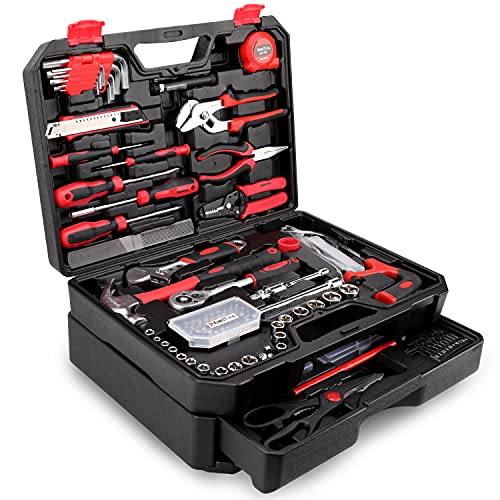
[Toolbox Included] - Includes 1-Drawer storage box with independent sliding drawer to enlarge the capacity more than common toolbox. Assortment of necessary tools are in one tool chest, durable plastic case with internal molded compartments to keep each component protected and easily accessible. All tools meet or exceed ANSI standard.
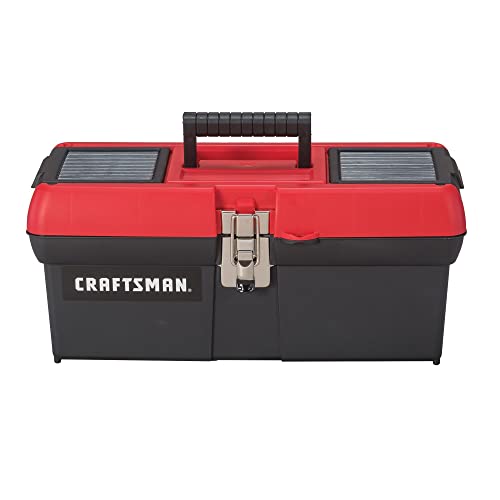
SAFEGUARDS YOUR TOOLS: Pad lock eye
Recommended Brands and Tool Kits
Finding the right RC car tool kit can make all the difference in your hobby experience! We’ve discovered that brands like Dynamite and Traxxas are renowned for their quality and reliability. MIP offers precision tools that many of us love for various tasks, while Losi stands out for durable hex wrenches that last years.
If you want complete tool kits, Integy’s 29-piece racer kit is an excellent value, and AMain Hobbies features sets for various models. Remember, tool compatibility is important, so we should always compare options. Brands like NoCry provide adjustable screwdrivers tailored for RC work, ensuring our projects stay stress-free and enjoyable! Additionally, understanding suspension compatibility is crucial for optimizing performance in your RC car upgrades. Consider your tool needs and let’s gear up for some fun!
Recommended Products

【Upgrade Version RC Tool Kit】High quality non-slip aluminum alloy handle with bottom cover, driver head is precision machined from high speed steel and titanium, hardness over 60, resistant to peeling and breaking, no rust and durable. this hex screwdriver tool kit is the best choice for RC enthusiast & model hobbists

10PCS RC Repair Tool Kit Set: This rc hobby tools set include handle, 8pcs bits, 4pcs hex screwdriver bits(1.5mm,2.0mm,2.5mm,3.0mm bits hid in the handle,opening the caps and you can see them), 2pcs hex nut socket spanner bits (4.0mm,5.5mm), 0#+ phillips and 1#- slotted screwdriver bits; 1pcs handle and 1pcs red tray (using to store screws and small parts)

Ideal Hex Screwdriver Tools Kit Set: The hex driver 1.5mm 2.0mm 2.5mm 3.0mm rc tool kit Used for Disassembly & Assembly Hex Screw Kit of RC Car, helicoptor, rc boat ,drone and other place.
How Often Should I Replace Worn-Out Tool Tips?
We should replace worn-out tool tips when we notice signs like corrosion, dulled edges, or structural damage. Tool durability varies, so regular inspections will help guarantee our
What Are the Advantages of Using a Digital Scale?
Using digital scales gives us precision measurements, ensuring accurate weight readings for our setups. These scales enhance our tuning efficiency, saving us time and helping us achieve peak performance with confident, reliable data at our fingertips.
Can I Use Standard Tools for RC Car Maintenance?
Can we really rely on standard tools for RC car maintenance? While standard tool compatibility exists, customizing specific RC tools enhances precision and ease, making our maintenance tasks simpler and more effective. Let’s optimize our toolkit together!
How Do I Maintain My Tools for Longevity?
To maintain our tools for longevity, we should focus on organized tool storage and implement rust prevention strategies. Regular cleaning, inspection, and proper handling will keep our tools effective and ready for every session.
What Is the Best Way to Clean My RC Tools?
To clean our RC tools effectively, we should use air compressors and specialized cleaning solutions. Proper tool sanitization follows, utilizing soft brushes and microfiber cloths to guarantee all components are grime-free and well-maintained.