As an Amazon Associate, we earn from qualifying purchases. Some links on this site are affiliate links at no extra cost to you. Our recommendations are based on thorough research and editorial judgment.


What Is RC Fire Safety?

RC fire safety is all about enhancing emergency response and protecting community spaces. We focus on preventing fires through proactive measures and education. It involves developing fast response protocols, conducting drills, and ensuring compliance with safety regulations. Safeguarding high-risk areas with detection and suppression systems is essential. We also aim to spread awareness about fire hazards and improve training for everyone involved. Stick with us, and you’ll discover even more ways to stay safe!
Key Takeaways
- RC Fire Safety focuses on enhancing emergency response and safeguarding community spaces from fire hazards.
- It implements proactive fire prevention measures and educates members on fire risks and safety procedures.
- Regular emergency drills and training programs are conducted to ensure preparedness and improve response times.
- Compliance with fire safety regulations is prioritized, ensuring all equipment meets necessary safety standards.
- The initiative aims to identify high-risk areas and install effective fire detection and suppression systems in facilities.
Understanding Fire Safety in Residential and Commercial Properties
You may be interested



When we think about fire safety in both residential and commercial properties, it’s important to recognize the unique challenges each faces. In residential areas, smoke alarms are mandatory and must meet specific standards for building compliance, such as being hardwired and interconnected. These fire safety technologies, including smoke detection systems, play an essential role in protecting lives. On the commercial side, especially in high-rises, evacuation challenges require advanced fire safety measures like automatic sprinklers and pressurized stairwells. Regular inspections and adherence to fire codes guarantee safety and compliance in every building. By understanding these distinctions, we can better appreciate the importance of tailored fire safety practices that fit each setting. Let’s prioritize safety for everyone. Additionally, durable construction in fire safety equipment ensures longevity and reliability in emergencies.
Recommended Products

First Alert's Precision Detection advanced sensing technology complies with new industry standards to reduce cooking nuisance alarms and provides early warning in the event of a home fire emergency.

SMOKE DETECTION: Model 20SA10 features advanced sensing technology that detects smoke over 25% faster*; sounds a loud 85-decibel alarm with red LED light for clear visual warnings; suitable for homes

Hardwired Alarm with 9V Battery Backup:Enjoy uninterrupted protection with our hardwired smoke alarm that operates on 120V AC wiring. Even during severe weather or power outages, the 9V battery backup ensures continuous operation, providing worry-free protection for you and your family.
The Impact of Home Fires on Life and Property
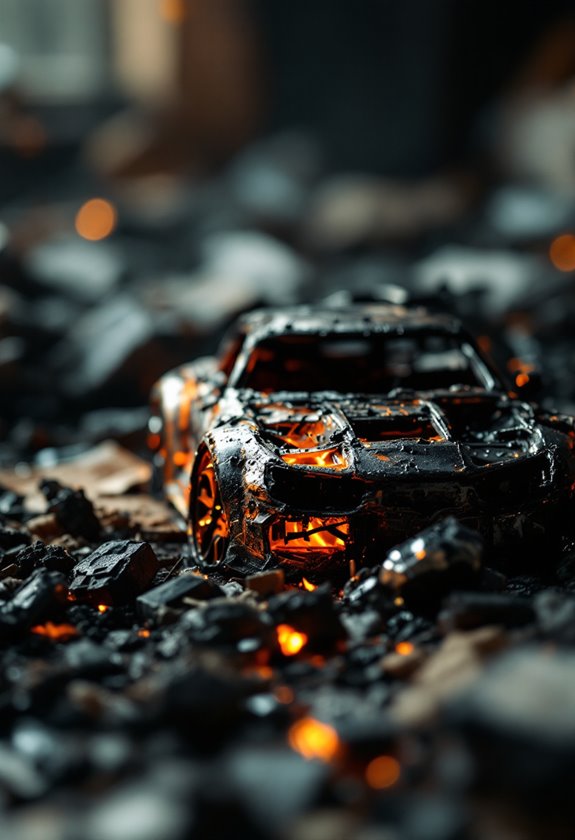
Home fires can have devastating effects on both lives and property, often striking when we least expect them. Each year, around 2,700 individuals tragically lose their lives due to house fires, while thousands more sustain injuries. The costs are staggering, with damages reaching over $11 billion in 2023 alone. It’s essential we prioritize fire prevention and emergency preparedness in our homes. Cooking equipment is the leading cause of these fires, responsible for almost half of all incidents. Remember, we usually have about two minutes to escape safely once a fire ignites. By understanding risks and setting up preventive measures, we can protect ourselves and our loved ones from these frightening realities. Choosing an RC fire extinguisher can significantly enhance safety during remote control adventures. Let’s make fire safety a priority together!
Analyzing Fire Incidence and Trends in the U.S
As we explore the analysis of fire incidence and trends in the U.S., it’s essential to recognize the significant impact that both wildfires and residential fires have on our communities. In 2026, the U.S. reported over 46,000 wildfires, burning more than four million acres. This surge in wildfire frequency poses serious challenges for fire management, as fires like the devastating Jones Road fire in New Jersey threatened thousands of structures. Residential fires also remain a concern, accounting for about 25% of all fires nationwide. The leading cause? Cooking equipment, responsible for nearly half of home fire incidents. By understanding these trends, we can better prepare and protect ourselves against the ongoing fire risks in our neighborhoods.
Identifying Vulnerable Demographics and Their Fire Risks
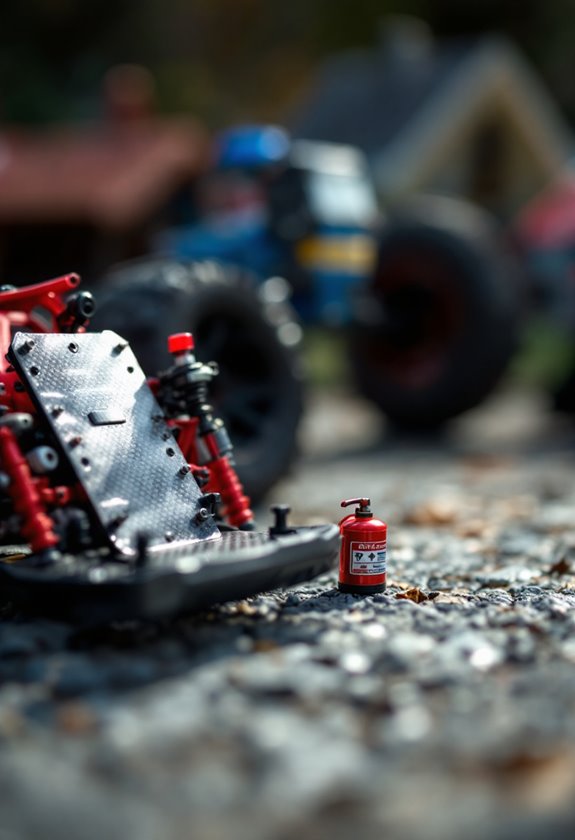
Identifying vulnerable demographics and their fire risks is essential, especially since certain groups face a higher likelihood of fire-related injuries and fatalities. Through demographic analysis and risk assessment, we see that adults aged 25 to 74, as well as older adults, have considerably elevated risks. Males are about 1.6 times more likely to die in fires compared to females, with African Americans and American Indians/Alaska Natives suffering disproportionately. Additionally, individuals in lower socio-economic brackets face increased fire hazards due to inadequate housing. Older adults and children are particularly at risk due to physical and cognitive limitations. By understanding these factors, we can develop tailored safety strategies to protect those who need it most, ultimately reducing fire-related tragedies. Regular maintenance of safety equipment can further mitigate these risks.
Common Causes and Locations of Home Fires
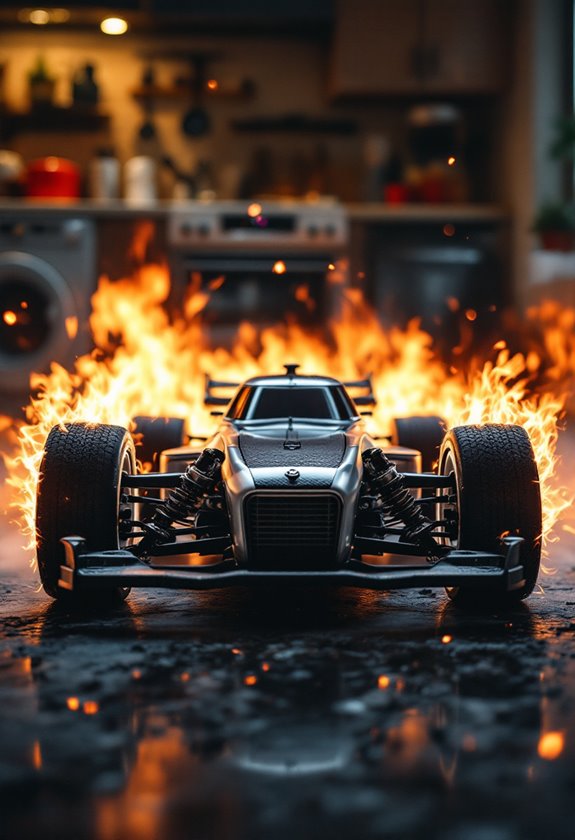
When we think about fire safety, it’s essential to recognize that certain everyday activities can lead to dangerous situations in our homes. Cooking fires are the leading cause, making up nearly half of all home incidents. Typically, these fires result from unattended cooking or distractions, often occurring in kitchens. Heating equipment, like space heaters and fireplaces, accounts for 9.3% of home fires, especially during colder months. Electrical hazards, including malfunctioning appliances and overloaded circuits, also pose significant risks. Unintentional fires can arise from careless behaviors, such as mishandling flammable materials. Common locations for fires include kitchens, living rooms, and laundry areas. Seasonal risks, such as Christmas decorations, can heighten fire dangers, reminding us to stay vigilant year-round! Additionally, ensuring proper thermal management solutions in electrical devices can greatly reduce the risk of overheating and subsequent fires.
Recommended Products

Reliable Fire Protection: Stop tough grease fires

PREPARE FOR THE UNEXPECTED: With an average of 158,000 to 178,000 cooking-related fires yearly in the US, preparation is vital. This class K fire extinguisher handles grease flare-ups effectively, keeping your sanctuary safe.

HIGH-TEMPERATURE RESISTANT: The fire suppression blanket can isolate high temperatures up to 1076℉( 580℃), enabled by it's Composed of two layers of 100% flame retardant woven fiberglass fabric and an inner layer of fire retardant film, meets safety blanket standards set by UL and SGS, helping people extinguish the fire source promptly in case of a sudden fire.
The Role of Smoke Alarms in Fire Safety
Smoke alarms are our first line of defense against home fires, and they play an essential role in keeping families safe. With their smoke alarm effectiveness, these devices reduce fire-injury rates by up to 80%. When we have working alarms, we’re nearly three times more likely to report a fire to the authorities. But let’s not forget, alarm maintenance is vital; about 25% of smoke alarms in homes don’t work due to dead batteries or other malfunctions. We need to test our alarms regularly to guarantee they can alert us during a fire. Remember, a working smoke alarm cuts down the risk of death by 54%. Additionally, ensuring compatibility with various battery types in devices like RC car chargers can help prevent overheating and further safety hazards. Let’s make our homes safer by prioritizing both installation and maintenance!
Recommended Products

First Alert's Precision Detection advanced sensing technology complies with new industry standards to reduce cooking nuisance alarms and provides early warning in the event of a home fire emergency.

SMOKE DETECTION: Model 10SDR detects smoke with over 25% faster smoke detection*; sounds a loud 85-decibel alarm with red LED light for clear visual warnings; compact design suitable for homes

First Alert's Precision Detection advanced sensing technology complies with new industry standards to reduce cooking nuisance alarms and provides early warning in the event of a home fire emergency
Insurance Considerations and the Financial Impact of Fires
Fires can strike unexpectedly, making it essential for us to understand insurance considerations that protect our homes and finances. First, coverage must match our home’s rebuilding costs, not just its market value. We should also be aware of deductible implications; we pay these deductibles out of pocket before our insurance kicks in. After filing a fire claim, we might face premium adjustments, as our risk profile changes. It’s vital to document everything before a fire, as this aids in smooth claims processing. If we don’t maintain adequate limits, we might shoulder significant financial burdens. By ensuring proper coverage, we can substantially reduce our personal financial impact and protect against unexpected losses, helping us recover more swiftly. Additionally, investing in durable materials for your home can further mitigate damage and enhance safety in case of a fire.
Recommended Products

Reliable Fire Protection: Stop basic home fires involving trash, wood, paper, liquids, gases, and electrical equipment

Reliable Fire Protection: Stop basic home fires involving trash, wood, paper, liquids, gases, and electrical equipment

Meets Ansi Z87.1 Standards
Strategies for Effective Fire Risk Mitigation
Effective fire risk mitigation is essential for protecting our homes and businesses, especially as we endeavor for safety in our daily lives. To bolster fire safety, we should conduct regular fire risk assessments, identifying potential hazards and weaknesses in our facilities. By adhering to local fire safety codes and standards, we guarantee compliance and minimize risks. Installing reliable fire detection systems, like smoke detectors and sprinklers, helps us respond swiftly during emergencies. Regular maintenance of these systems keeps them functional. Training staff on fire safety protocols and conducting evacuation drills equips everyone to act effectively in a crisis. Together, these strategies create a proactive approach to fire safety, enhancing our emergency response and safeguarding our spaces.
Recommended Products
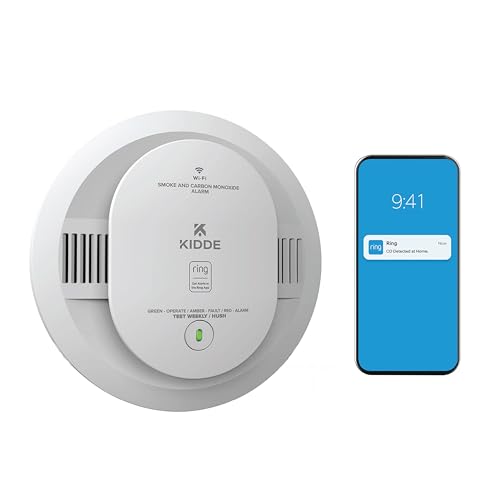
Double the Detection: Alerts you to both smoke and carbon monoxide (CO)

Real-Time Ring App Notifications: Home or away, get smoke or low battery warnings (no subscription required)

How Often Should I Test My Smoke Alarms?
We should test our smoke alarms monthly as part of smoke alarm maintenance. Following recommended testing frequency guarantees they’re functioning properly, giving us peace of mind and keeping our homes safe from fire hazards.
What Types of Fire Extinguishers Should I Have at Home?
Let’s not wait for that unexpected backyard barbecue bonfire! We should have at least one ABC-rated fire extinguisher in our homes, along with specialized ones for kitchens and garages, ensuring our ultimate home safety.
Are There Fire Safety Regulations Specific to Multi-Story Buildings?
Yes, there’re multi-story regulations and fire safety codes that govern these buildings. They require features like multiple exit stairwells, self-closing fire doors, and advanced detection systems to guarantee occupant safety and effective firefighting access.
How Can I Create a Home Fire Escape Plan?
We can craft a home fire escape plan by mapping escape routes and assigning family roles. While we may feel safe, practicing this plan guarantees readiness when urgency strikes. Regular drills keep everyone familiar and prepared.
What Materials Are Most Fire-Resistant for Home Construction?
When considering fire-resistant materials for home construction, we should prioritize concrete, stucco, and mineral wool insulation. Adhering to local building codes guarantees our homes are safe, minimizing fire risks in our communities.